

Paramount's $111bn Warner Bros Takeover Sparks Hollywood Job and Creativity Fears
Warner Bros might have dominated the Oscars with films like Sinners and One Battle After Another, but the impending merger with Paramount has industry insiders deeply concerned about the future. On Sunday, Warner Bros secured 11 Oscars, matching a record for a single studio, while Paramount received no nominations. Yet, in a surprising twist, Paramount is set to acquire Warner Bros in a deal valued at $111 billion.
If regulators approve, this consolidation will reshape Hollywood, creating uncertainty for actors, directors, writers, and millions of viewers. Analysts warn that the merger could result in thousands of job losses, stifle creative innovation, and make it harder to produce politically charged films, given Paramount's leadership ties to Donald Trump.
Industry Experts Warn of Dire Consequences
David Dayen, executive editor of the American Prospect magazine, describes the deal as a "signpost on the road to the destruction of Hollywood." He argues that reducing the number of studios will upset a delicate balance already damaged by streaming's rise and the decline of cable TV and cinema. "Bringing down the number of studios and subsequently the output – even though Paramount claims that won't happen, but there's almost no way for that to be true – is going to upset the delicate balance," Dayen states.

He adds that theatre owners will struggle to survive, and the merger bets on the dying medium of cable television, which he predicts will fail. "The fallout is not going to be good for creatives in Hollywood, continuing what has been a fairly long decline," Dayen warns.
Historical Context and Financial Pressures
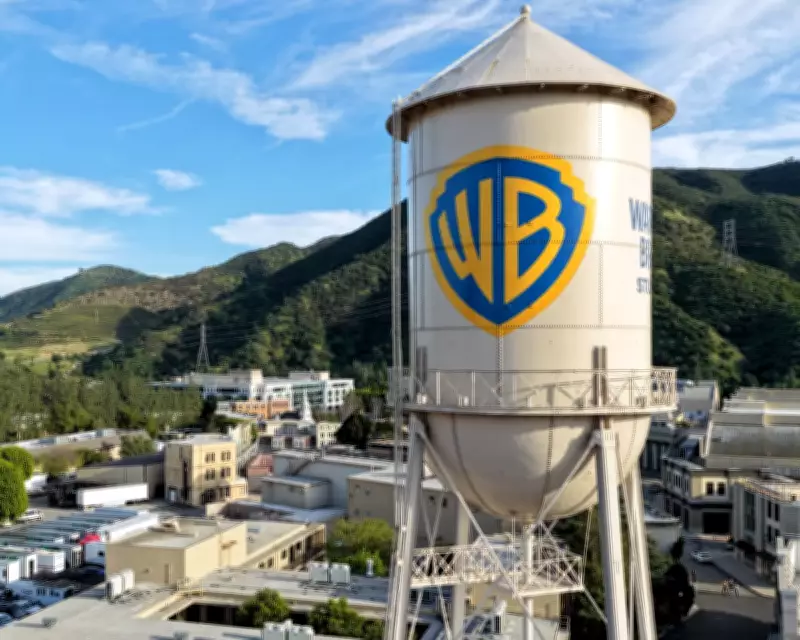
Warner Bros, with its iconic 110-acre lot in Burbank, California, has a storied history, producing classics like Casablanca and modern hits like the Harry Potter series. Initially, Netflix was poised to buy Warner Bros, but Paramount intervened with a hostile takeover bid. Makan Delrahim, Paramount's chief legal officer, claims the deal will be "a huge win for the creative community."
However, the film industry has already seen consolidation with MGM absorbed by Amazon and 20th Century Fox bought by Disney, leading to fewer jobs. Film production in Los Angeles has significantly declined in recent years. The Paramount deal is heavily leveraged, with an estimated $80 billion in debt, and executives plan to save $6 billion by cutting "duplicative operations." The combined workforce of over 53,000 employees could see half fired, according to Dayen.
Impact on Creativity and Competition
Beyond job losses, the merger threatens to contract opportunities in Hollywood. The creative economy relies on competition among studios bidding for new ideas. As companies merge, doors close for independent producers and emerging artists. Laura Friedman, a former film producer and Democratic California congresswoman, notes, "The more consolidation we have in Hollywood, the harder it is for independent producers to survive, the fewer places there are to go to get films financed."
Screenwriters like Stanley Weiser, with credits including Wall Street, express concerns about further homogenisation of content. "It's going to add to the further dumbing down and homogenisation of TV and film content," Weiser says. He worries that with AI advancements, young writers will find it even harder to secure work.
Political Implications and Artistic Freedom
The merger also raises political concerns, as Paramount's head, David Ellison, has connections to Donald Trump. This could influence the types of films produced, potentially sidelining politically sensitive projects like Sinners and One Battle After Another. Congresswoman Friedman warns, "We have seen the Trump administration bemoan that we're not making what they consider 'America first' films." She fears a loss of diverse voices and provocative viewpoints in cinema.
David Simon, producer of The Wire, emphasises that fewer buyers mean less content gets made. "The fewer buyers, the less that gets sold or made," he says via email. Industry veterans are sceptical of Paramount's promise to produce over 30 films annually, with historian Mark Harris calling it an "absurd fiction."

Broader Media Consolidation and Future Outlook
The merger represents an unprecedented consolidation in television news, bringing CBS News and CNN under one corporate roof. Political strategist Drexel Heard warns that the deal was primarily designed to consolidate news organisations, which could bleed into artistic content and affect how information is consumed.
As Hollywood faces this monumental shift, the potential for reduced film output, job cuts, and constrained creativity looms large. The Paramount-Warner Bros merger could redefine the entertainment landscape, with lasting impacts on both the industry and audiences worldwide.





