

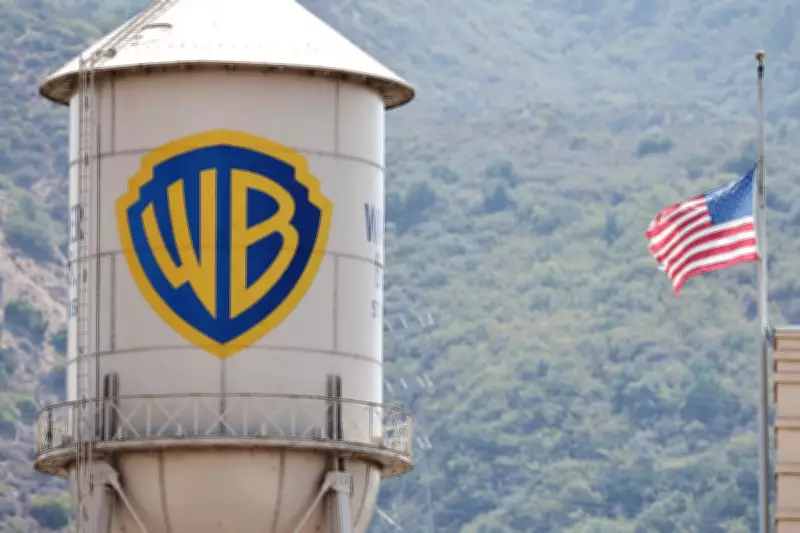
Paramount Secures Warner Bros in High-Stakes Media Battle
In a dramatic corporate showdown, Paramount has emerged victorious over Netflix in the fierce competition to acquire Warner Bros, marking a pivotal moment in the global media landscape. The deal, valued at an increased $111 billion, or $31 per share, includes a substantial $7 billion breakup fee should regulatory obstacles prove insurmountable. This acquisition represents a bold move in corporate empire-building, driven by the Ellison family's deep pockets and strategic ambitions.
Netflix's Disciplined Retreat and Paramount's Strategic Gambit
Netflix, renowned for its disciplined and well-run operations, opted to withdraw from the bidding war, a decision widely applauded by Wall Street and shareholders alike. Co-chief executives Ted Sarandos and Greg Peters described Warner Bros as "nice to have," underscoring the streaming giant's cautious approach despite the allure of franchises like Harry Potter and the DC Universe. In contrast, Paramount viewed Warner Bros as an essential prize, leveraging the financial might of Larry Ellison, founder of Oracle, who has invested billions to support his son David's leadership at Paramount.
Political and Cultural Undercurrents in the Deal
The acquisition is not merely a business transaction; it carries significant political and cultural ramifications. The Ellisons maintain close ties to former President Donald Trump, with Larry Ellison contributing millions to Republican political action committees and David Ellison attending Trump's State of the Union address as a guest of Senator Lindsey Graham. This alliance raises concerns about potential shifts in media bias, particularly for CNN, which would have been spun off under a Netflix deal but now faces uncertainty within the Paramount Skydance empire.

Conservatives have long argued that mainstream media exhibits a liberal slant, while networks like Fox News dominate right-leaning coverage. A potential MAGA-aligned CNN could disrupt this balance, drawing viewers from Fox News and alarming the American left. This scenario echoes Steve Bannon's adage that "politics is downstream of culture," hinting at broader implications for media influence akin to Viktor Orbán's control in Hungary.
Regulatory Hurdles and Global Scrutiny
Despite the celebratory mood in MAGA circles and the Ellison estates, the deal is far from finalized. Regulatory challenges loom large, with California Attorney General Rob Bonta announcing an open investigation, vowing a vigorous review. While a Trump-influenced Federal Trade Commission and Department of Justice might favor approval, legal battles are inevitable in the American system.
European regulators also pose a threat, potentially derailing the acquisition with antitrust concerns. The UK's Competition and Markets Authority faces pressure to intervene, recalling the backlash over Microsoft's Activision Blizzard takeover. With Europe's competition watchdogs recently approving that deal, this case could test their resolve, adding another layer of complexity to an already fraught political landscape.
Implications for the Future of Media
Whoever ultimately controls Warner Bros will wield immense influence over the media industry, both in the US and globally. The consolidation of two major Hollywood studios under Paramount could reshape content creation, streaming dynamics, and cultural narratives. However, with regulatory scrutiny intensifying and political tensions simmering, the Ellisons and their allies would be wise to temper their celebrations until all hurdles are cleared.






