
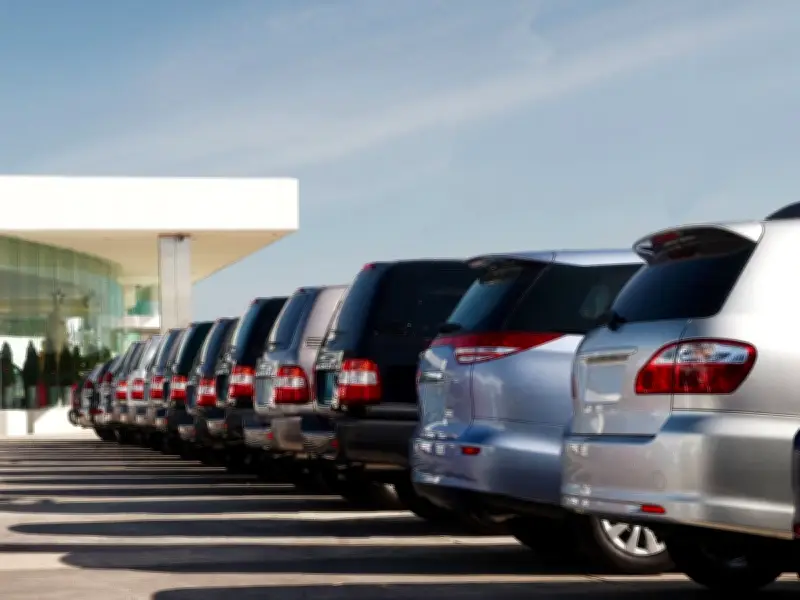
Major cities could lose up to one in seven on-street parking spaces due to the growing popularity of larger cars, according to a study by the think tank Transport & Environment (T&E). The trend, which critics call 'carspreading,' involves oversized vehicles such as SUVs that dominate streets not designed for them.
Growing car dimensions and parking impact
The research reveals that since 2000, the average length of new cars has increased by 1.2cm per year, while height, bonnet height, and width have grown by about 0.5cm annually. If this continues, on-street parking capacity in cities will shrink by between 8.5% and 14% by 2040. For London, this could mean the loss of approximately 100,000 parking spaces.
Safety concerns and road deaths
T&E also warns that the rise of larger SUVs could lead to about 400 additional road deaths per year by 2040 across the UK and the European Union, compared to a scenario where car sizes returned to 2015 levels. The think tank argues that car manufacturers have shifted away from smaller models despite shrinking family sizes and falling car occupancy rates.
Market failure and need for standards
Anna Krajinska, T&E UK director, stated: 'Car manufacturers have spent decades pushing large expensive cars at the expense of smaller models. After 25 years of relentless growth, our streets are dominated by oversized SUVs that cities simply weren’t designed for. The result is a lose-lose: councils are forced to reshape streets around larger vehicles, sacrificing parking capacity, public space and safety in the process. This is a market failure. Without clear standards to limit car size and encourage right-sizing, carspreading will continue unchecked, and cities will keep paying the price.'
Broader implications for urban planning
The trend of 'carspreading' not only affects parking but also impacts road safety, pedestrian visibility, and public space allocation. T&E calls for regulatory measures to cap vehicle dimensions and incentivize smaller, more efficient cars, particularly in urban environments where space is at a premium.




