

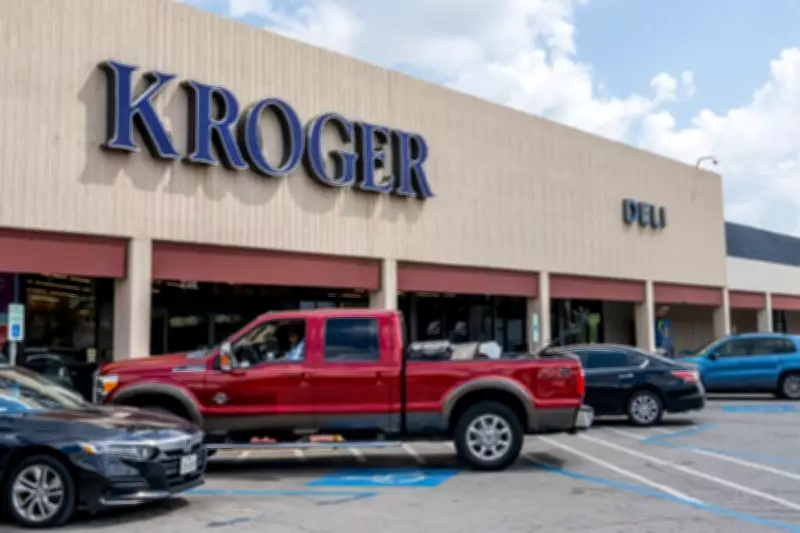
Kroger Proceeds with Major Store Closures and Layoffs Nationwide
In a significant restructuring move, the US grocery chain Kroger has announced it will close 60 stores across the country, resulting in the loss of approximately 1,000 jobs. This decision comes in the wake of a failed $24.6 billion merger with rival Albertsons, which was blocked by judges over concerns about reduced competition and consumer protection in the grocery market.
Details of the Store Closures and Impact on Employment
The closures represent about 5 per cent of Kroger's total portfolio of 1,239 stores and are set to occur largely over an 18-month period. Kroger has confirmed specific closures in Houston and Spring, Texas, scheduled for 10 April, with at least three other locations in the Houston area already shut down. The company attributes these closures to a strategic effort to pare down underperforming locations, aiming to streamline operations and improve overall efficiency.
Job losses are a key consequence, with around 1,000 employees affected by the layoffs. Kroger has stated that it plans to support affected workers through transition programs, but the scale of the job cuts highlights the broader economic impact of the failed merger and subsequent restructuring.

Background: The Failed Merger with Albertsons
The store closures follow the collapse of Kroger's proposed $24.6 billion merger with Albertsons, a deal that was intended to create a grocery powerhouse but was ultimately blocked by judicial rulings. Judges expressed concerns that the merger would significantly reduce grocery competition, potentially leading to higher prices and fewer choices for consumers, thereby undermining consumer protection standards.
This regulatory intervention forced Kroger to reassess its growth strategy, shifting focus from expansion through acquisition to internal optimization. The company has indicated that it will now accelerate the opening of new stores in 2026, aiming to offset the closures with more profitable locations.
Strategic Implications and Future Outlook
Kroger's move to close underperforming stores is part of a broader effort to strengthen its market position amid increasing competition from other retailers and online grocery services. By eliminating less profitable outlets, the company hopes to reallocate resources towards more promising ventures and enhance its overall financial health.
The failed merger with Albertsons has prompted Kroger to adopt a more cautious approach to growth, emphasizing organic expansion and operational efficiency over large-scale acquisitions. This strategy reflects a trend in the grocery industry, where companies are increasingly focusing on sustainability and consumer-centric initiatives to navigate a challenging economic landscape.
As Kroger moves forward with its closure plan, stakeholders will be watching closely to see how the company balances cost-cutting measures with its commitment to employee welfare and customer service. The accelerated store openings in 2026 will be a critical test of Kroger's ability to adapt and thrive in a post-merger environment.






