

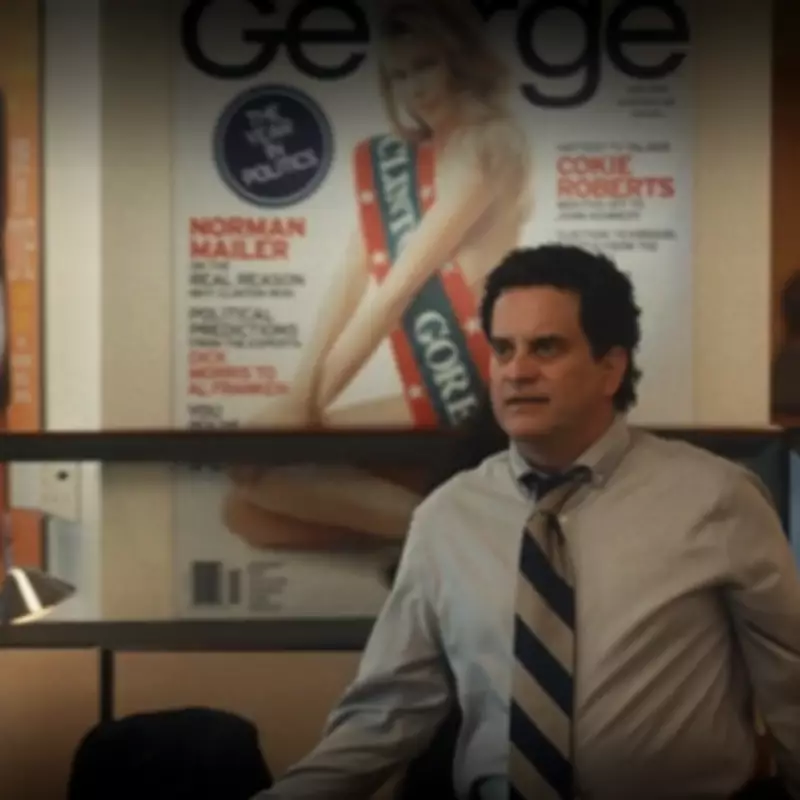
The Ambitious Launch of George Magazine
Despite earning a law degree and passing the bar exam on his third attempt to work as a prosecutor, John F. Kennedy Jr. ultimately pivoted to journalism. His career shift was inspired by writing an article for The New York Times in the summer of 1992, which led him to envision his own publication.
In September 1995, Kennedy launched George magazine as a monthly publication. He aimed to create a title that would rival established magazines like Rolling Stone, Esquire, or Vanity Fair by uniquely blending politics with celebrity culture and media themes.
The fundamental concept was to make political coverage as engaging and accessible as gossip columns, hoping to attract readers who typically found politics dull or intimidating.

Partnership and Early Contributors
Kennedy partnered with his friend Michael Berman, who operated a public relations firm at the time. Together they embarked on this publishing venture that attracted notable contributors including actor George Clooney and Jackie Stallone, mother of Sylvester Stallone.
The magazine initially generated significant attention due to Kennedy's celebrity status as the son of former President John F. Kennedy, but it faced immediate challenges in establishing its credibility within both political and publishing circles.
Internal Struggles and Power Conflicts
By 1997, just two years after launch, the partnership between Kennedy and Berman deteriorated into a serious power struggle. As depicted in the Disney+ series "Love Story: John F. Kennedy Jr. & Carolyn Bessette," their disagreements frequently escalated into shouting matches and at least one physical altercation.
This internal conflict ultimately led Berman to sell his shares to Kennedy, leaving the former president's son as the sole owner and decision-maker for the publication. However, this consolidation of control did not resolve the magazine's underlying problems.
Financial Challenges and Critical Reception
Kennedy struggled to reverse the magazine's declining fortunes. He faced persistent criticism from media observers who questioned the publication's seriousness and suggested it appealed primarily to readers with limited political understanding.
The publishing company behind George was Hachette Filipacchi Media U.S., which also produced well-known titles including Elle, Car and Driver, and Cycle World. According to reports, the CEO of Hachette believed Kennedy was too cautious in his editorial approach and failed to take sufficient creative risks.
The Final Years and Legacy
Despite Kennedy's efforts and a change in editorial leadership, George magazine continued to struggle with advertising revenue. The publication ultimately ceased operations with its final issue in January 2001, approximately two years after Kennedy's tragic death in a plane crash in July 1999.
The parent company, Hachette Filipacchi Media U.S., was eventually acquired in 2011 and absorbed into Hearst Magazines, marking the end of that corporate entity.
Collector's Item and Cultural Memory
Interestingly, certain issues of George have gained unexpected value among collectors. According to a Vice News report, the February 1997 edition featuring the tagline "Survival Guide to the Future" and containing Kennedy's interview with Microsoft founder Bill Gates has become particularly sought after.
This specific issue has attracted attention from conspiracy theory communities, with one copy listed online for $3,499.99, demonstrating how Kennedy's publishing venture continues to resonate in niche cultural circles decades after its demise.
The story of George magazine serves as a fascinating case study in celebrity-driven publishing, illustrating both the potential and pitfalls of merging politics with popular culture in media format.






