
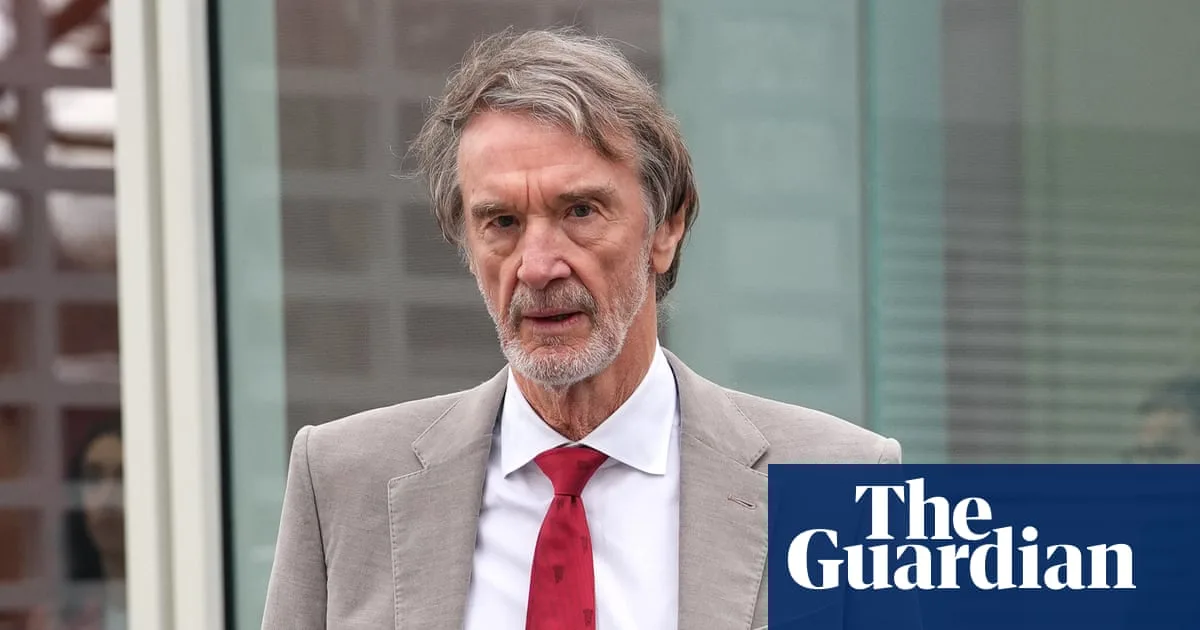
Billionaire Jim Ratcliffe's chemicals empire, Ineos, is reportedly in early-stage talks to sell parts of its business to raise hundreds of millions of pounds and address mounting debts. The discussions are said to focus on assets from Ineos Inovyn, the group's vinyls business, according to the Financial Times.
The company is scrambling to cut costs and reduce borrowings amid a prolonged downturn in the global chemicals industry. Ratcliffe, the UK's seventh richest person, has described the situation as 'unsurvivable' for European chemical plants, blaming rising carbon costs and weak trade defence.
Ineos Group Holdings and Ineos Quattro Holdings together had over £18bn of borrowings at the end of last year, up nearly £3bn from the previous year. The conglomerate is also in talks with credit firms to refinance bonds maturing next year, and shareholders have injected €200m (£175m) of new equity alongside raising another €300m in financing.
Credit ratings agency S&P Global downgraded two Ineos companies this month, giving a negative outlook due to fears of falling earnings. It warned of further downgrades if the group cannot reduce its debt pile to below six and a half times underlying profits.
Europe's energy costs have risen sharply since Russia's invasion of Ukraine, compounded by competition from chemical makers in the Middle East and Asia, which face fewer green costs. Many Ineos companies have plunged to a loss as a result.
A spokesperson for Ineos said the company 'continually reviews its portfolio and capital structure' to ensure it remains strong and resilient. They added that in challenging market conditions, it is prudent to explore refinancing options, with a focus on cost control and maintaining liquidity.




