

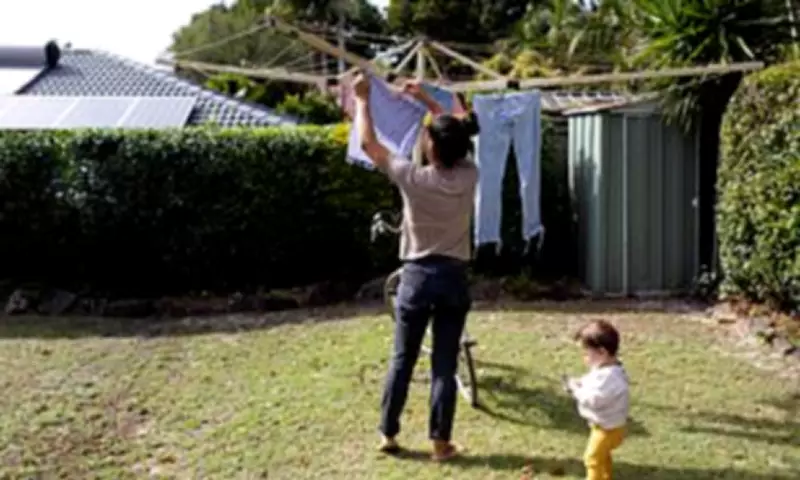
The future of a quintessential Australian backyard icon, the Hills Hoist clothes line, hangs in the balance after its American owner, Griffon Corporation, placed the brand up for sale. This move has sparked concerns among consumers and industry observers about the fate of this beloved household staple.
Strategic Review Underway
Griffon Corporation, a New York-listed conglomerate, has appointed investment bank Goldman Sachs to conduct what it terms a 'comprehensive review of strategic alternatives' for the portfolio of brands under AMES Australia. This portfolio prominently includes the iconic Hills Hoist, alongside a host of other well-known Australian gardening and outdoor brands.
Focus on US Markets
The company's decision stems from a strategic shift to concentrate exclusively on its operations within the United States, aiming to enhance returns for its shareholders. Griffon has owned the rights to the Hills Hoist and associated brands since 2017 through its AMES Australia subsidiary, which it initially acquired as part of a broader business purchase in 2010.

In a recent statement to investors, Griffon's chief executive, Ronald J. Kramer, highlighted the growth trajectory of AMES Australia. 'AMES Australia has evolved from a modest enterprise acquired over a decade ago into a category leader across both Australia and New Zealand,' Kramer remarked. He further expressed the company's intent to 'identify opportunities for our exceptional team in Australia to propel the business to new heights while simultaneously generating value for our shareholders.'
Historical Significance and Market Impact
The Hills Hoist, renowned for its rotary clothesline design, has been a fixture in Australian backyards for generations, symbolizing suburban life and practical ingenuity. Its potential sale raises questions about brand stewardship, manufacturing continuity, and cultural heritage. Industry analysts suggest that the review could attract interest from both domestic and international buyers, given the brand's strong market presence and nostalgic value.
As the strategic review progresses, stakeholders await further details on potential buyers and the implications for the brand's operations. The outcome will likely influence not only the future of the Hills Hoist but also the broader landscape of Australian consumer brands under foreign ownership.






