

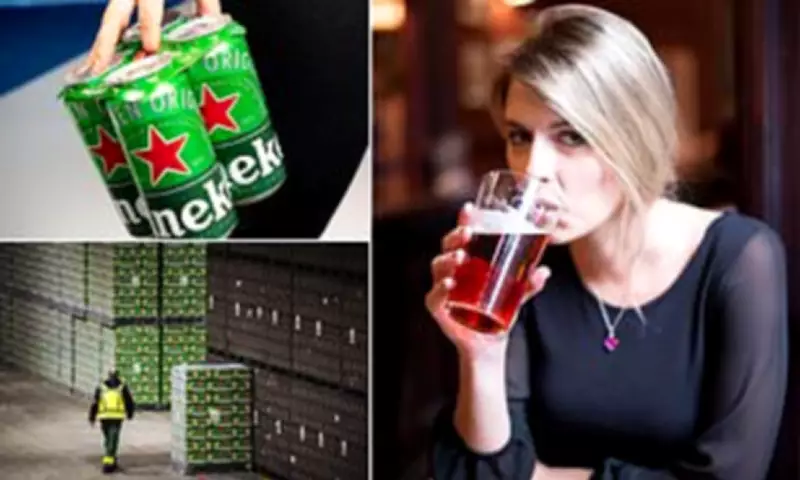
Global brewing giant Heineken has unveiled a substantial restructuring plan that will see the elimination of between 5,000 and 6,000 jobs worldwide over the coming two years. This decisive move, representing approximately 7 percent of the company's 87,000-strong global workforce, is a direct response to what the corporation describes as 'challenging market conditions' and a persistent decline in beer sales volumes.
A Strategic Response to Market Pressures
The announcement was made alongside the company's annual results, with finance chief Harold van den Broek emphasising that the cost-cutting initiative is designed to strengthen operations and free up capital for future growth investments. The job reductions will affect the entire Heineken portfolio, which includes well-known brands such as Amstel and Birra Moretti, and are part of a broader effort to streamline the business.
The American Beer Market in Decline
The restructuring comes at a time when beer is losing its traditional dominance among American drinkers. Heineken reported a 1.2 percent decline in total sales volumes for 2025, a figure that underscores a broader, more troubling trend for the industry. Even the flagship Heineken brand, which managed to eke out minor gains, could not offset the overall downturn.

Recent data paints a stark picture of changing habits. A Gallup survey reveals that just 54 percent of US adults now consume alcohol, marking the lowest level recorded in nearly nine decades of tracking. Furthermore, among those who do drink, a growing number are actively reducing their intake. This shift is driven by increasing health concerns and heightened awareness of alcohol-related risks, particularly among younger adults who are increasingly choosing to cut back or abstain entirely.
Competition from New Alternatives
Changing consumer tastes are also reshaping the beverage landscape. Beer is no longer the default choice for many, as trendy alternatives like hard seltzers, premium spirits, and a burgeoning market for sophisticated alcohol-free drinks capture significant market share. This diversification of preferences has eroded beer's long-standing position as the nation's favourite tipple.
The Erosion of Beer's Cultural Cachet
Historically, beer was deeply woven into the fabric of American culture, associated with patriotism and quintessential national moments. Post-Prohibition, drinking beer was framed as reclaiming an American tradition, with major breweries like Budweiser leveraging patriotic imagery—flags, eagles, and Fourth of July campaigns—to cement beer's status as synonymous with American identity at barbecues, baseball games, and national celebrations.
The Bud Light Controversy: A Watershed Moment
However, this carefully cultivated image faced a seismic shock in 2023. Budweiser found itself at the centre of a fierce culture war following a marketing partnership with transgender influencer Dylan Mulvaney, which included a custom Bud Light can aimed at attracting a younger, more diverse audience.
The move triggered intense backlash from conservative figures and consumers, leading to widespread boycotts, social media protests, and even the physical destruction of products. The financial impact was severe, with parent company Anheuser-Busch InBev suffering an estimated $5 billion loss in market value and sales plunging between 17 and 25 percent at the height of the controversy. This episode served as a stark turning point, demonstrating how a flagship American brand could become a polarising force, deeply splitting consumer loyalties.
An Industry at a Crossroads
Heineken's major job cuts, while a significant corporate restructuring, reflect deeper, systemic challenges within the global beer industry. The combination of declining consumption, intense competition from alternative beverages, and the potential for brand-damaging cultural flashpoints has created a perfect storm. For brewing giants, the path forward requires not only operational efficiency but also a nuanced understanding of rapidly evolving consumer values and a marketplace that is increasingly fragmented.

The next two years will be critical as Heineken implements its cuts and seeks to reposition itself. Whether these measures will be sufficient to navigate the 'challenging market conditions' and revive growth in an era where beer's cultural and commercial dominance is no longer assured remains a pressing question for the entire sector.





