
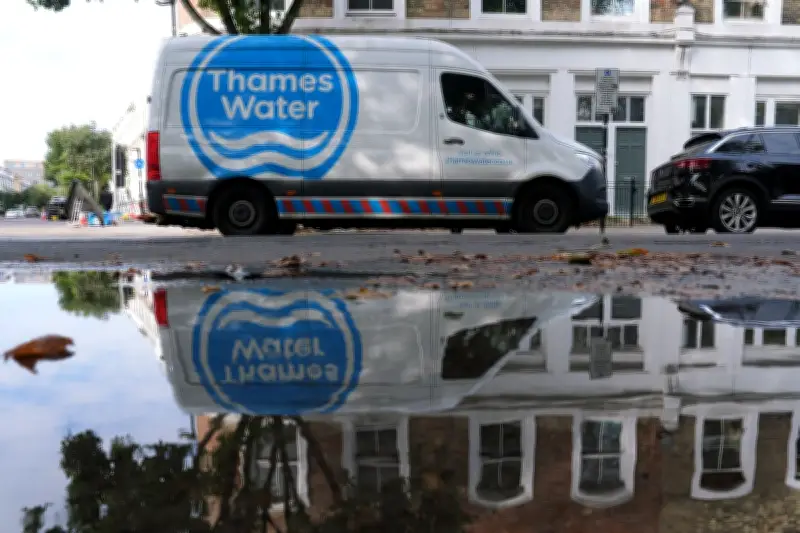
The government has cast doubt on a proposed £10 billion rescue deal for Thames Water, raising concerns that it may not sufficiently protect consumers or the environment. Environment Secretary Emma Reynolds has written to the regulator Ofwat, expressing that the bid from the consortium London & Valley Water fails to adequately safeguard consumer interests and could lead to reduced performance standards and delays in vital infrastructure improvements.
Rescue Deal Details
The consortium, which has proposed injecting £10 billion into the debt-laden utility, had been close to receiving approval from Ofwat. However, the deal has faced criticism for potentially waiving fines related to sewage leaks for four years. London & Valley Water has defended its plan, stating it is the fastest route to improve outcomes for customers and the environment without government funding. The consortium warned that other options would result in significantly worse outcomes.
Political Implications
The uncertainty surrounding the deal has increased the likelihood of temporary nationalisation for Thames Water, which serves 16 million customers and is burdened by nearly £20 billion in debt. This comes as Greater Manchester Mayor Andy Burnham eyes a potential leadership challenge against Prime Minister Sir Keir Starmer, having signalled a 10-year plan to renationalise the water industry. Burnham has called for reforms to prioritise the public interest.
Government Stance
Environment Secretary Emma Reynolds stated that Thames Water customers have been let down for 15 years due to underperformance and pollution. She emphasised that the government prefers a market solution over nationalisation but stands ready for any outcome. The Department for Environment, Food and Rural Affairs (Defra) clarified that Reynolds' views do not constitute a direction to Ofwat and do not predetermine future decisions.
Creditors and Costs
The proposed deal would involve £3.35 billion in new equity and up to £6.55 billion in new debt. However, Thames Water would also need to pay nearly £750 million to creditors, lawyers, and advisers, including £160 million in fees and £285 million in accrued interest to institutional investors like US hedge funds Elliott Management and Silverpoint Capital. The utility faces ongoing backlash over rising bills, executive bonuses, poor service, and environmental pollution, with growing calls for renationalisation.
Union Response
Cliff Roney of the GMB union, representing water industry workers, welcomed the government's stance, stating that the deal would do nothing for consumers or the environment. He urged the government to bring water companies under public control, similar to plans for rail companies, arguing that temporary nationalisation is insufficient to address deep-seated problems. Roney called for full renationalisation to protect consumers, workers, and waterways.




