
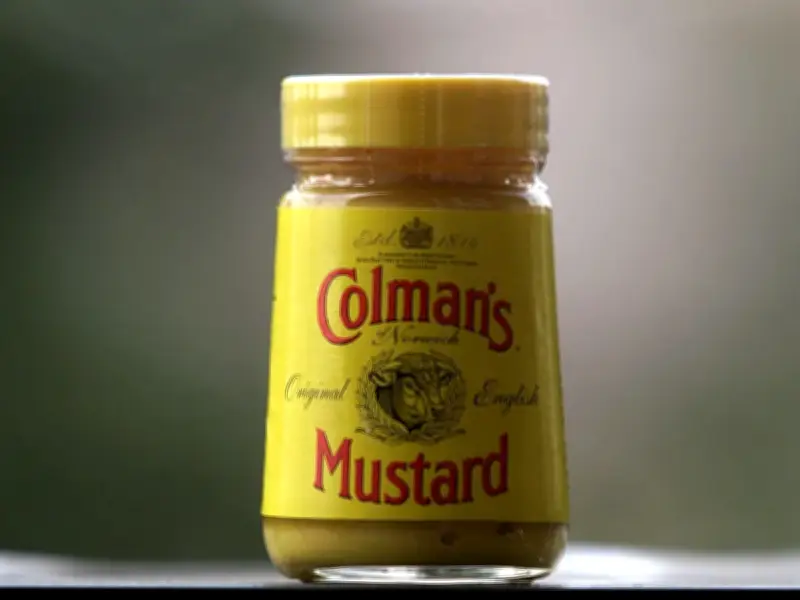
Unilever's proposal to sell its Colman's brand could be enough to allay concerns over the £33.8 billion merger of its food division with American rival McCormick, according to the UK's competition regulator.
The Competition and Markets Authority (CMA) said it believes the proposed move "has the potential to resolve our concerns", adding that it will scrutinise the plans in greater detail, including canvassing feedback from relevant parties.
CMA's Initial Warning
Earlier this month, the CMA warned that the tie-up risked reducing competition within the market for dry ingredient and sauce mixes.
UK consumer goods heavyweight Unilever counts brands such as Knorr, Maille and Colman's within its food division, while McCormick holds Schwartz and French's in the UK market.
The CMA concluded that the merger would create the largest supplier of dry ingredient mixes — used in dishes such as chilli con carne — and dry sauce mixes, including parsley sauce, in the UK "by far".
Unilever's Divestment Proposal
In August, Unilever announced its intention to divest the Colman's brand, which produces mustard, sauces and recipe mixes, in a bid to "proactively" address competition concerns surrounding the deal.
Elie Yoo, senior director of mergers at the CMA, said: "Millions of packets of dry sauces and dry ingredient mixes are picked up as part of people's weekly shop, so it's important customers don't end up paying more as a result of this deal."
"We found that this merger would bring together the two biggest branded suppliers of dry cooking mixes and sauces, with other suppliers providing only limited competition."
"McCormick has now offered proposals which we believe have the potential to resolve our concerns."
"We'll look carefully at these proposals before deciding whether to accept them."
Next Steps and Market Impact
Should the CMA be satisfied that the proposed sale of Colman's adequately addresses its concerns, it will conditionally approve the deal. If not, the watchdog retains the power to refer the transaction to a more thorough phase two investigation.
When setting out its concerns earlier this month, the CMA acknowledged the presence of rival brands in the market, including seasoning mix label Maggi and dry sauce brand Bisto, but noted that these products "impose only a limited constraint" on the merged food group.
The regulator also examined potential competition issues surrounding the supply of mustard to UK supermarkets, given that Unilever owns the Colman's and Maille brands, while McCormick holds French's.
Nevertheless, the CMA found that consumers generally regard English, French and American-style mustards as distinctly separate products, meaning supermarkets typically stock each variety independently.
As a result, there is minimal crossover between Unilever and McCormick's mustard ranges, and therefore "no realistic prospect" of any competition concerns arising over the condiment, the CMA concluded.




