
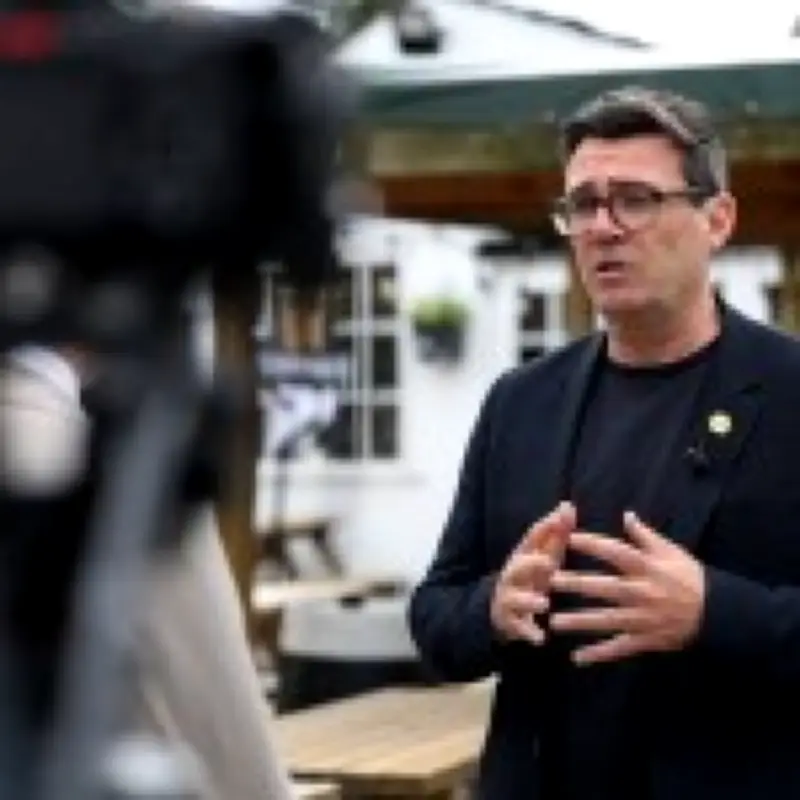
Prime Minister Andy Burnham has indicated his government is considering a major overhaul of council tax, potentially replacing it with a new property tax or a land value tax. Speaking to the BBC, Burnham said former Chancellor Rachel Reeves was 'right' to start reforming the tax to make it fairer 'in relation to people in homes that are much greater value, who haven’t seen their council tax go up over the years because of the failure to revalue the banding'. He replaced Reeves with John Healey.
Burnham's remarks on council tax reform
Burnham launched his Makerfield by-election campaign by saying: 'I see a big case for land and business and property tax to be changed.' According to the i paper, Burnham’s government is looking into options for replacing council tax while also doing away with stamp duty, another unpopular property tax. Council tax is currently based on property values from 1991, which have shifted unevenly across the UK, leading to disparities where wealthier areas often pay a lower proportion of their property value than poorer areas.
Proposed replacements: proportional property tax and land value tax
The campaign group Fairer Share, which gathered over 100,000 signatures for a petition on council tax, proposes a 'proportional property tax' – a flat rate of 0.48% on current property value, paid by owners. Burnham has a long history with land value tax (LVT), having proposed it in his 2010 Labour leadership bid. Writing then, he said LVT would 'allow for the abolition of stamp duty', which he called a 'tax on the aspirations of young people'. LVT would be an annual tax on the market rental value of land, not buildings.
How would the changes affect households?
According to Fairer Share, their property tax would mean over three-quarters of households would pay less, but some could see a steep increase. Since owners would pay, tenants in rental properties would no longer bear any property tax – a radical shift from the current system where local services like road maintenance are funded partly by residents. A land value tax would be equally radical, likely requiring heavy phasing, as millions of homeowners, especially in southern England, could face large new tax bills. There are also questions about how it would affect asset-rich, low-income individuals, such as elderly people who bought large houses decades ago. Both proposals represent a significant upheaval of UK taxation and would require substantial political effort to implement.




