

In a significant leadership transition, BHP, the world's largest mining group, has officially named Brandon Craig as its new chief executive officer. Craig will succeed Mike Henry at the helm of the global mining giant, with his tenure set to commence on July 1, 2026. This announcement marks a pivotal moment for the company as it navigates the competitive mining landscape.
Leadership Change at BHP
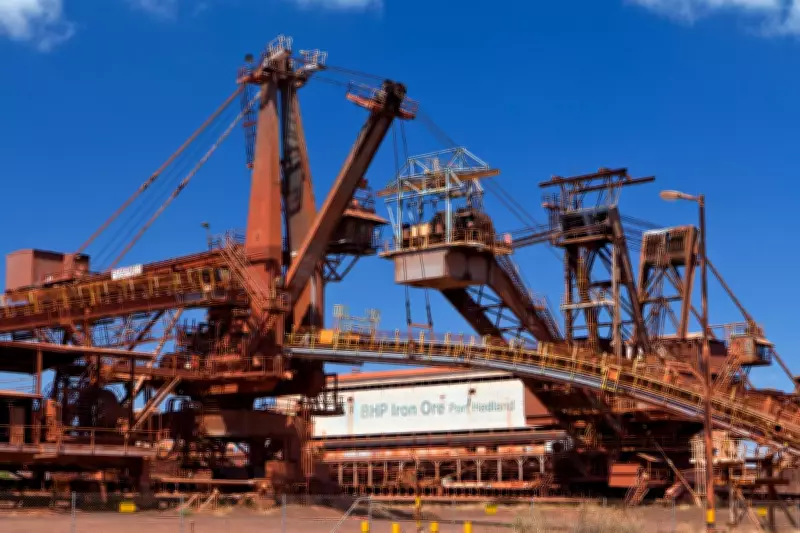
Brandon Craig, who currently serves as BHP's Americas boss, will take over from Mike Henry, who is stepping down after six-and-a-half years in the role. Craig's appointment follows a thorough selection process, with the company highlighting his extensive experience and deep understanding of BHP's operations. Having joined BHP in 1999, Craig has accumulated over 25 years with the firm, including previous leadership of its Western Australia iron ore business, which underscores his robust background in key mining sectors.
Mike Henry's Legacy and Challenges
During his tenure, Mike Henry played a crucial role in transforming BHP into the world's biggest copper producer, a strategic move that bolstered the company's financial strength and market position. Under his leadership, BHP emphasized safety, productivity, and a sharp focus on shareholder and social value. However, Henry's time as CEO was not without its setbacks. He presided over two failed attempts to acquire rival Anglo American, aimed at further enhancing BHP's copper portfolio. The most recent withdrawal occurred just 18 months after a previous ill-fated approach, highlighting the complexities of major mergers in the mining industry.

BHP, which shifted its primary listing from London to Sydney in 2022 while retaining a standard listing in the UK, had previously sought to intervene in the agreed mega-merger between Anglo American and Canadian rival Teck Resources before ultimately pulling out. These efforts reflect the competitive dynamics and strategic challenges facing global mining firms.
Compensation and Future Outlook
As the new chief executive, Brandon Craig will receive an annual salary of 1.9 million US dollars (approximately £1.4 million), complemented by benefits and potential performance-based incentives. This includes cash and share awards that could reach up to 6.8 million dollars (£5.1 million) annually, along with possible long-term incentive share awards of up to 3.8 million dollars (£2.8 million) per year. Such a compensation package underscores the high expectations for Craig's leadership in driving BHP's strategy forward.
Statements from Key Figures
Ross McEwan, BHP chairman and former NatWest chief executive, praised Craig's "discipline and focus," expressing confidence that these qualities will be instrumental in advancing the group's strategic goals. McEwan also acknowledged Mike Henry's "outstanding contribution," noting that Henry's leadership has left BHP well-positioned for future growth.
In his remarks, Brandon Craig expressed honor and privilege in succeeding Mike Henry, stating, "Thanks to his leadership, BHP is well positioned for the future. Mike will be remembered for his strategic decision-making, portfolio transformation, operational excellence, and focus on safety and high-performance culture."
Outgoing CEO Mike Henry reflected on his time at BHP, saying, "It has been a privilege to serve as chief executive of BHP and to have worked with so many truly talented people. I am proud of what we have achieved together." His departure signals the end of an era marked by significant achievements and notable challenges in the mining sector.
Implications for the Mining Industry
This leadership change comes at a critical juncture for BHP and the broader mining industry, which faces ongoing pressures related to market fluctuations, regulatory environments, and sustainability concerns. With Craig at the helm, BHP is expected to continue its focus on copper production and other strategic priorities, while navigating the competitive landscape that includes rivals like Anglo American and Teck Resources. The appointment underscores BHP's commitment to stability and growth as it adapts to evolving global demands.






