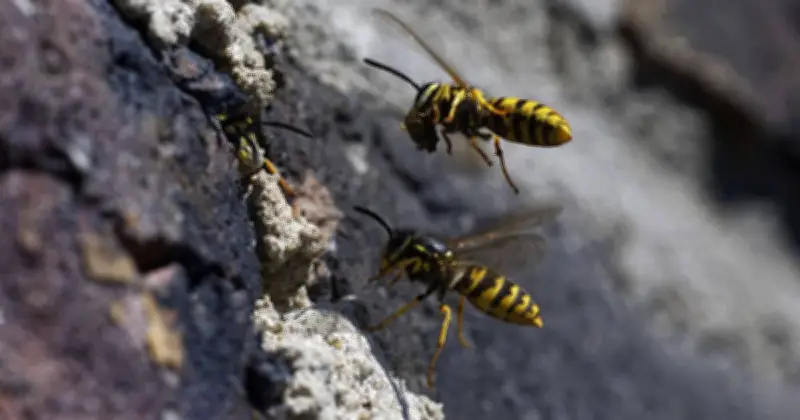
Homeowners are being urged to exercise additional caution around wasps this September, with a pest control specialist explaining why the insects become noticeably more hostile as summer draws to a close.
While wasps are a familiar presence throughout the warmer months, an expert said their conduct altered dramatically during September as colonies approach the conclusion of their natural life cycle.
Why wasps become more aggressive
Earlier in the summer, worker wasps dedicate much of their energy to feeding larvae within the nest. In exchange, the larvae generate a sugary substance that supplies the workers with nourishment.

As the season nears its end, the queen ceases laying eggs and the quantity of larvae declines sharply, leaving thousands of worker wasps seeking sugar elsewhere. This explains why wasps become considerably more drawn to bins, soft drinks, outdoor dining spaces and fallen fruit during September, resulting in increased encounters with humans.
John Whiteley-Wilkson, managing director at Acorn Environment Services, said: "September is consistently one of our busiest months for wasp call-outs because colonies are at their largest and worker wasps are actively searching for food outside the nest. People often think wasps suddenly become aggressive for no reason, but it's a natural part of their life cycle. As their usual food source disappears, they're forced to search elsewhere, which brings them into much closer contact with people."
DIY mistakes to avoid
John is also encouraging property owners to refrain from attempting to tackle active nests themselves, cautioning that DIY efforts frequently worsen the situation.
He said: "The biggest mistake we see is people trying to block the entrance to a nest or treating it with a household aerosol spray. If wasps can't use their normal exit, they'll simply look for another route, which could mean finding their way into lofts, wall cavities or even inside the property. Disturbing an active nest can also cause the colony to become defensive, increasing the risk of multiple stings."
Acorn Environment Services highlighted several errors homeowners should steer clear of if they discover a wasp nest:
- Blocking or sealing the entrance to the nest.
- Spraying large or established nests with household insect sprays.
- Disturbing the nest with garden tools, ladders or pressure washers.
- Attempting to knock down or remove the nest themselves.
- Carrying out garden maintenance close to a known nest without checking activity first.
John added: "Even activities like cutting hedges, strimming or using a pressure washer can create vibrations that disturb an active colony. We've attended plenty of jobs where someone didn't realise there was a nest nearby until the wasps reacted."
When to seek professional help
While not every wasp nest demands urgent treatment, John said property owners should evaluate the location carefully before deciding what action to take.
He said: "If a nest is tucked away in a part of the garden that people rarely use, it may be possible to leave it alone until the colony naturally dies off later in the autumn. However, if it's close to a doorway, patio, children's play area or anywhere people regularly pass, it's worth having it professionally assessed rather than taking unnecessary risks."
As milder temperatures frequently persist well into September, Acorn Environment Services has warned that wasp activity is expected to stay elevated for several weeks before colonies start to naturally dwindle later in the autumn.