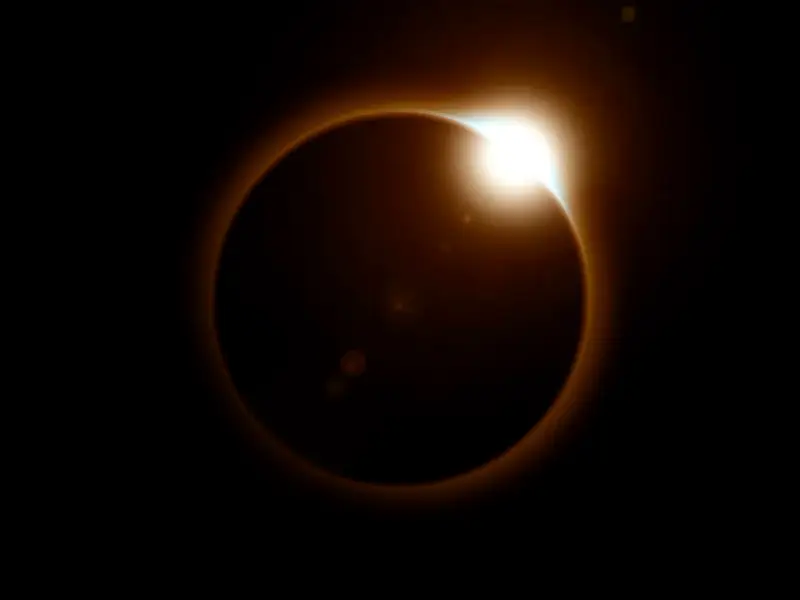
A partial solar eclipse will be visible across the UK on Wednesday, August 12, offering millions of people the chance to experience a unique astronomical event. The South West is anticipated to witness the largest portion of the sun obscured by the moon, making the event particularly remarkable in areas of Cornwall and Devon.
Experts warn of permanent eye damage risk
People gearing up to observe this week's rare solar eclipse are being encouraged to inspect their protective glasses thoroughly, with experts cautioning that staring directly at the sun without appropriate protection can result in permanent eyesight damage.
Royal Museums Greenwich states that the eclipse will offer the most extensive coverage seen from the UK and Ireland since the renowned 1999 solar eclipse, when a total eclipse was visible across parts of Cornwall and Devon.
Why the sun is still dangerous during an eclipse
During an eclipse, the sun can seem significantly dimmer than usual. This can make individuals feel more at ease looking directly at it, but the diminished brightness does not render it safe. Intense sunlight can still reach the retina and inflict serious damage. The alarming aspect is that retinal damage can occur without causing immediate discomfort, so someone may continue gazing at the sun without realising their eyesight is being compromised.
After the 1999 eclipse, the Royal College of Ophthalmologists documented approximately 70 cases of individuals suffering vision difficulties following observation of the event. Roughly 40% of those affected had gazed at the sun for under a minute.
Proper eye protection is essential
Standard sunglasses are not a secure substitute for specialist eclipse glasses. Even extremely dark sunglasses fail to offer the necessary protection for direct solar observation. They may reduce brightness and create a more comfortable viewing experience while still permitting dangerous solar radiation to penetrate the retina.
Anyone intending to observe the eclipse directly should utilise authentic eclipse glasses or a handheld solar viewer equipped with a specialist solar filter. The equipment must comply with the international safety standard ISO 12312-2:2015(E).
Check your eclipse glasses before use
Individuals purchasing eclipse glasses online are being advised to exercise particular caution, as not every product marketed as an eclipse viewer will necessarily deliver sufficient protection. Should there be any uncertainty about whether a product meets the necessary safety standard, it must not be used.
Eclipse glasses should also be inspected prior to use. Anyone whose glasses feature scratched, torn, damaged or otherwise compromised lenses should replace them rather than risking injury.
Alternative ways to view the eclipse safely
There is another method to enjoy the eclipse without specialist glasses. Indirect viewing techniques, such as a basic pinhole projector, enable people to observe the eclipse without gazing directly at the Sun. You can easily create a pinhole viewer at home by allowing sunlight to pass through a small hole and project an image of the Sun onto a sheet of paper or another surface. The gaps between tree leaves can also serve as natural pinhole projectors, creating multiple images of the partially eclipsed Sun. A common household colander can produce a similar effect, with the holes projecting small images of the eclipsed sun onto the ground.
Binoculars and telescopes: extreme caution needed
Those using binoculars or a telescope must exercise extreme caution. Regular binoculars and telescopes should never be used to look directly at the sun, as these magnifying tools can concentrate sunlight and cause serious eye damage. Only equipment specifically designed for solar viewing or fitted with a suitable solar filter should be used.
Cloudy weather doesn't make it safe
Cloudy weather doesn't make it safe to look directly at the sun either. Even if clouds obscure the sun, individuals should continue to use appropriate eye protection and should never assume that cloud cover provides sufficient protection for their eyes.
The eclipse will be visible across the UK, although the extent of the Sun obscured by the Moon will differ depending on location. Those in the South West are expected to witness the greatest coverage. In London, the eclipse is anticipated to start at around 6.17pm, reach maximum coverage at approximately 7.12pm and conclude at around 8.06pm. Times will vary across the country.