The UK is set to witness its most dramatic solar eclipse in nearly three decades today, August 12, with more than 90% of the Sun expected to disappear behind the Moon. Astronomers predict this will be the most complete eclipse visible from UK skies in 27 years, and it will be another 54 years before an eclipse of this size is likely to occur again.
Timing and Visibility
The entire event is expected to last about one hour and 50 minutes, starting at approximately 6.20pm and finishing by 8.10pm. The same eclipse will be visible across Europe, appearing as a total eclipse in parts of Greenland, Iceland, and Spain.
The last time the UK witnessed a total solar eclipse was on August 11, 1999, when the Sun was completely obscured by the Moon. While there have been solar eclipses since then, including a partial one in March last year, today's event will cover a far larger portion of the Sun.
Local Viewing Details
In Merseyside, Crosby Beach and the wider Sefton coast are expected to be among the most popular viewing spots. The Bus Yard bar in Crosby, which overlooks the beach, will be open during the eclipse and will host live music.
In Liverpool, the Moon is expected to first cover the Sun's disc at 6.13pm. The eclipse maximum will occur at 7.10pm, before the spectacle ends at 8.03pm when the Moon no longer covers the Sun. The Met Office predicts clear and sunny weather all day, which is good news for those planning to watch.
Safety Advice
NASA stated: "The sky will darken, as if it were dawn or dusk. Weather permitting, people in the path of a total solar eclipse can see the Sun's corona, the outer atmosphere, which is otherwise usually obscured by the bright face of the sun."
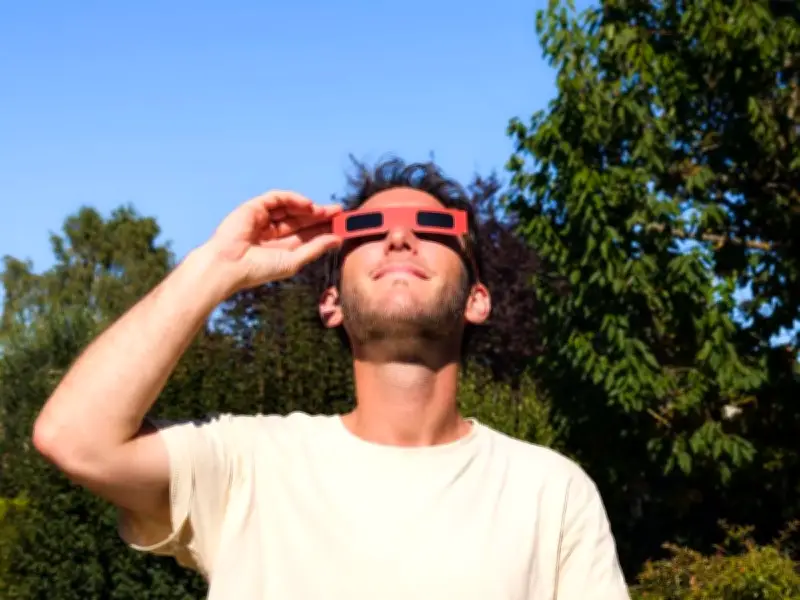
NASA added: "A total solar eclipse is the only type of solar eclipse where viewers can momentarily remove their eclipse glasses (which are not the same as regular sunglasses) for the brief period of time when the Moon is completely blocking the sun. During a total or annular solar eclipse, people outside the area covered by the Moon's inner shadow see a partial solar eclipse."
Professor Jim Wild, President of the Royal Astronomical Society, said: "I would encourage everyone to enjoy the spectacle safely. Never look directly at the Sun without appropriate solar viewing equipment. Certified eclipse glasses, specially designed solar filters for telescopes and binoculars, or indirect methods such as pinhole projectors are all safe ways to observe the event. With the right precautions, this eclipse promises to be an inspiring experience for seasoned astronomers and first-time skywatchers alike."