Households in the UK could face mains water shut-offs and be forced to use street standpipes under emergency drought plans. Half of England is officially in drought, with much of the rest experiencing 'severe dry weather'. Over 20 million people live in areas with hosepipe bans, and forecasters warn of another heatwave this week.
Drought warning system
The Environment Agency uses four levels: prolonged dry weather, drought, severe drought, and recovery. Severe drought, the highest level, was last activated in 1976, when residents relied on standpipes and strict water rationing.
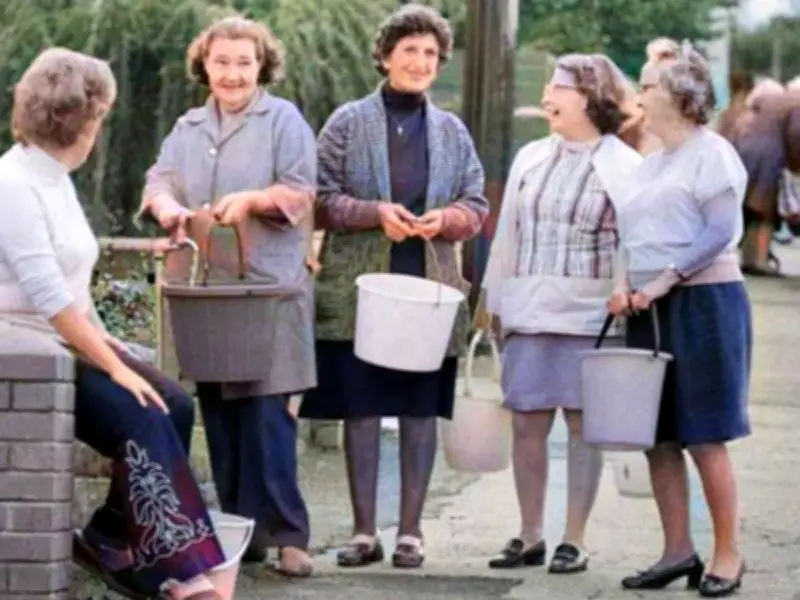
During a severe drought, authorities can shut off mains water and implement 'rota cuts', turning water on and off at different times. Communal standpipes or mobile tanks may be introduced, forcing residents to queue for daily water rations.
Historic 1976 crisis
The 1976 severe drought followed 16 months of below-average rainfall. Prime Minister Harold Wilson appointed a Minister for Drought, Denis Howell, and launched campaigns urging people to share baths and place bricks in toilet cisterns to save water. In worst-hit areas like southwest England, North Wales, and Yorkshire, residents relied entirely on standpipes for weeks.
Current outlook
The Environment Agency has not indicated it expects a severe drought warning, with affected areas currently under a drought warning. Meteorologists note this summer shows hallmarks of a 'flash drought', where dry weather arrives suddenly and extremely. July was the driest month in southern England since records began nearly 200 years ago.