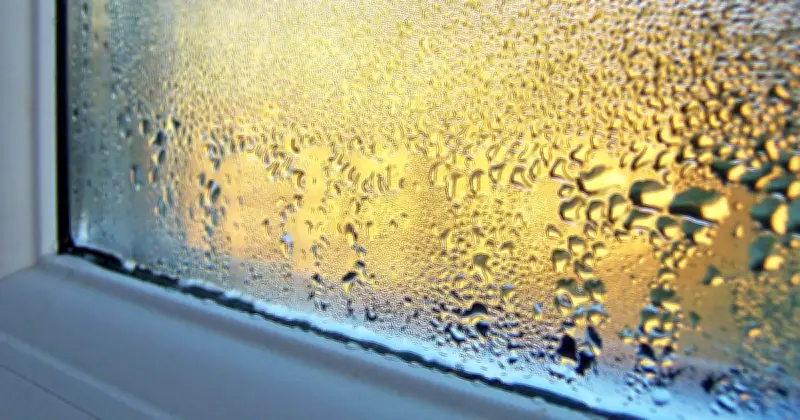
As temperatures drop across the UK, condensation on windows becomes a common problem. A cleaning fan known as Clean with Lily on TikTok has shared a simple household solution that can help keep it at bay.
The washing up liquid trick
Lily recommends buffing a drop of washing up liquid directly onto the glass with a microcloth, or mixing dish soap with water in a spray bottle and buffing it into the window. She said: "This will create a film and keep the condensation away."
The washing up liquid lowers the surface tension of water, allowing it to spread evenly across the window. This prevents water drops from forming, which could be left behind after they are dried. However, using the wrong amount could leave a soapy film and streaks on the glass.
Other tips and expert warnings
Lily also encouraged people to open windows every morning, even if it is chilly or raining, to allow fresh air to flow through the house.
Writing for Ideal Home, Sara Hesikova tested the hack by wiping only half of a window with a soapy cloth. She said: "The treated area showed no sign of condensation the next day, while the untreated was stricken with it."
However, washing up liquid should only be a short-term solution. Continuous use can damage the windows and, in some cases, create a breeding ground for mould. Valeria Velikova, cleaning expert at Fantastic Services, told Ideal Home: "Window fitters and manufacturers do not recommend using washing up liquid on windows because it can damage the rubber seals around your windows. Failed double glazing can then cause moisture to develop in between your window pains causing the glass to fog up and mould to develop."
GLRE Glazing Refurbishment also agreed that washing up liquid should only be a temporary solution. Its experts explained that the hack works by creating a thin film that lowers surface tension and prevents water droplets from forming on a cold surface. However, GLRE warned: "Remember, it's a temporary solution and may not completely stop condensation, especially on colder days. It's best applied to the bottom of the windows where condensation tends to accumulate the most."