The imminent solar eclipse is expected to cause the biggest drop in electricity demand in the UK since the pandemic-era 'clap for carers' events, as millions of Britons are expected to step outside to witness the spectacle.
On Wednesday, daylight across the country will be dimmed for almost two hours as the moon covers nearly 90% of the sun. The eclipse is due to begin at 6:08pm, just as electricity consumption normally surges during the 'critical evening peak' when people return home, cook meals, run appliances, and watch television.
Anticipated Drop in Demand
The fall in demand is expected to be the biggest since people across the nation stood outside during the pandemic, many banging pots and pans, in a show of support for NHS workers.
Energy experts insist that the reduction in solar-generated power caused by the biggest eclipse of the sun for 27 years will not cause problems.
Julian Leslie, chief engineer at the National Energy System Operator (NESO), said: "Like all weather events, Wednesday's solar eclipse is something we've been planning and are fully prepared for. So as millions of Britons drop what they're doing and head outside to enjoy the spectacle, our control room will be expertly managing the network ready for when they return to their usual routines."
Preparations and Safety Advice
The dip in solar generation is expected to represent a 'drop in the ocean' for the system.
NESO has been planning for the eclipse for more than a year, modelling the effect of shadow and light level on electricity demand. Its team is working with counterparts at the Met Office, who are providing visibility forecasts, as well as with academics who are experts in solar modelling.
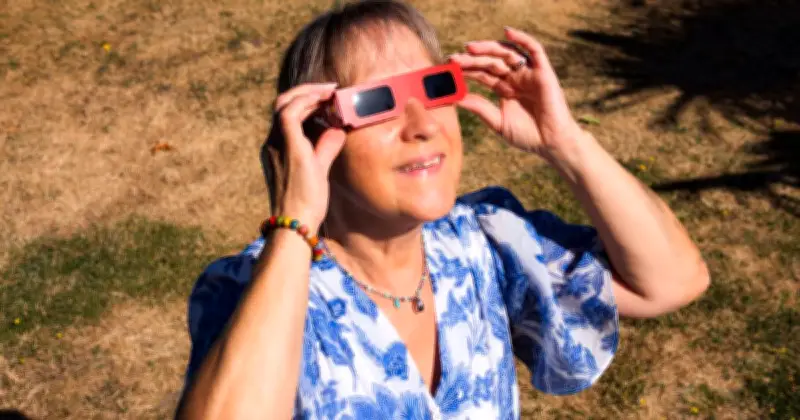
The European Space Agency (ESA) has warned that "looking directly at the sun without proper protection can cause serious eye damage" and that "regular sunglasses are not safe for observing a solar eclipse". It recommends using "certified eclipse glasses that meet the appropriate safety standards".
The ESA says a total eclipse – with the moon completely blocking the sun – will be seen in "Greenland, Iceland, a small area of northeastern Portugal, and finally Spain".