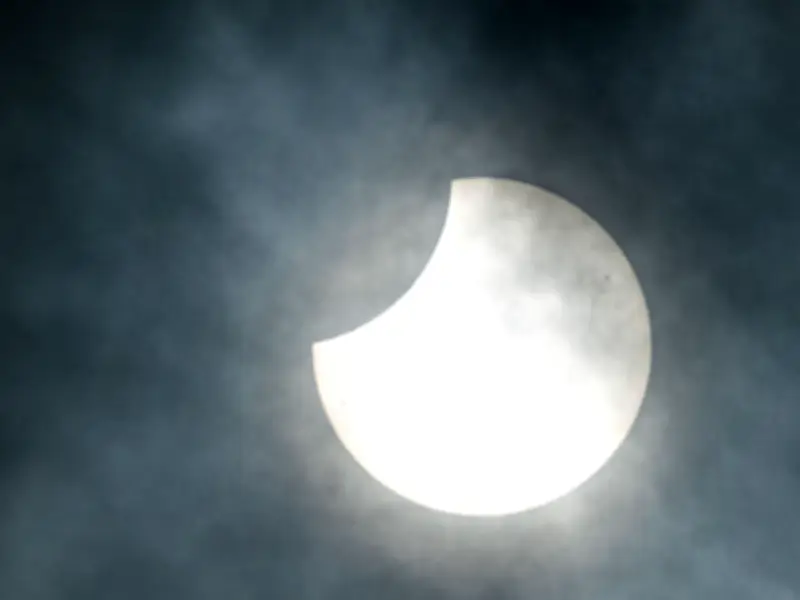
The upcoming partial solar eclipse on August 12, 2026 is set to be the most impressive seen from the UK since 1999, with up to 90% of the sun covered in the North East region. While the South West will experience the best views, the North East will still see significant coverage.
When to View the Eclipse
Kielder Observatory has provided exact timings for the event on August 12:
- 6:10pm – Eclipse begins
- 7:07pm – Maximum eclipse
- 7:26pm – Totality in Spain
- 8pm – Eclipse finishes
Weather Forecast
The forecast for August 12 currently indicates some cloud cover, but predictions may become more accurate closer to the date. The Met Office is the best source for up-to-date weather information.
Eye Safety Risks
Looking directly at the eclipse can cause permanent eye damage without immediate pain. During an eclipse, the sun appears dimmer, overriding the natural reflex to look away. After the 1999 total solar eclipse, around 70 cases of vision problems were reported, with about 40% of those affected having looked at the eclipse for less than a minute.
Regular sunglasses, no matter how dark, do not provide sufficient protection because they still allow harmful solar radiation to reach the retina.
Safe Viewing Methods
If using eclipse glasses or handheld solar viewers, ensure they meet the international safety standard ISO 12312-2:2015(E). Beware of uncertified products sold online. Do not use damaged glasses. Alternative methods include a pinhole projector or watching a livestream from organisations such as the Royal Observatory.
Upcoming Eclipses
The next solar eclipse in Europe will occur on August 2, 2027, with totality in Spain, meaning the UK may experience another partial eclipse. Additionally, a partial lunar eclipse with 90% coverage will be visible from the UK on August 28, 2026, beginning at 3:33am BST. The moon will appear reddish at maximum around 5:12am, but you will need a clear view of the western horizon to see it.