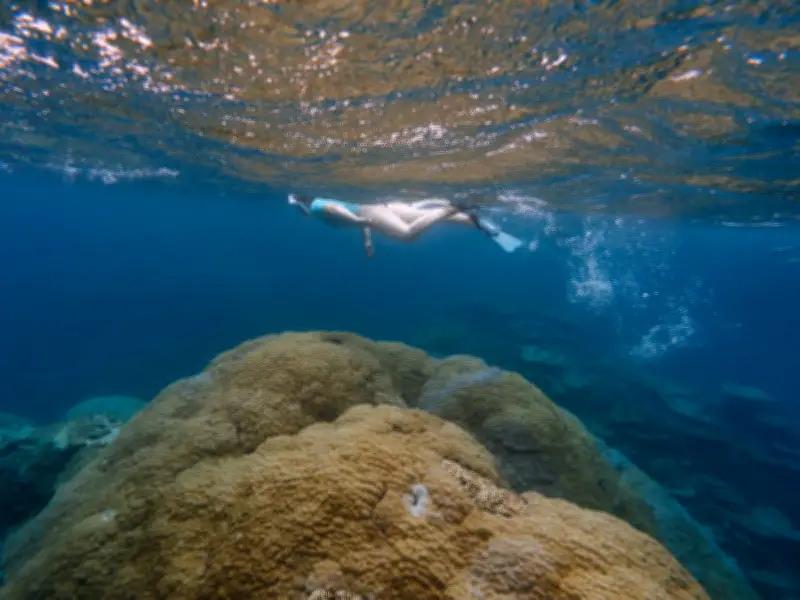
A snorkeller in Okinawa, Japan, has shared a stark warning after a close encounter with box jellyfish left her covered in painful lumps and scars. Melanie, who lives in Okinawa, was swimming alone off a secluded beach when she found herself surrounded by the potentially deadly creatures.
Shocking injuries revealed
In a TikTok video, Melanie showed her left forearm covered in dreadful lumps from the stings, with other areas of her body bearing scars. The footage has been viewed more than two million times. “Could have been way worse,” she admitted.
According to National Geographic, box jellyfish possess venom designed to stun or kill prey instantly. “Their venom is considered to be among the most deadly in the world, containing toxins that attack the heart, nervous system, and skin cells,” they explain. “It is so overpoweringly painful, human victims have been known to go into shock and drown or die of heart failure before even reaching shore. Survivors can experience considerable pain for weeks and often have significant scarring.”
Encounter details
Melanie said she was swimming by herself when she noticed the “saxophones becoming louder” – likely a mishearing of “tentacles” – and then filmed the jellyfish around her. Box jellyfish can have up to 15 tentacles, each up to 10 feet long, with about 5,000 stinging cells triggered by chemicals on prey.
One TikTok user warned: “My box jellyfish sting gave me a 10+ year long autoimmune disease, girl be careful!” Another commented on the danger in Australia: “Omg the box jellyfish in Australia are about the size of your thumbnail and will usually kill you within a few minutes.”
No hospital visit
When asked what the hospital said, Melanie revealed she did not go: “I didn't go to the hospital, first life threatening symptoms show minutes after the sting, since I didn't have anything I assumed I was good.” She also noted the beach was remote, making it hard to post warning signs.
She added: “It apparently hurt a lot, the most painful jellyfish in Japan. I'm not very sensitive to pain fortunately, so I didn't feel it much.” The itch from a previous sting lasted three months.
Global threat
According to How Stuff Works, an estimated 20 to 40 people die each year from box jellyfish stings in the Philippines alone. “Experts say the mortality rate around the world is higher than what's reported because doctors often misdiagnose the symptoms or simply get the cause of death wrong,” they add. “The 43 species of box jellyfish cause more deaths and injuries than sharks, stingrays and sea snakes.”