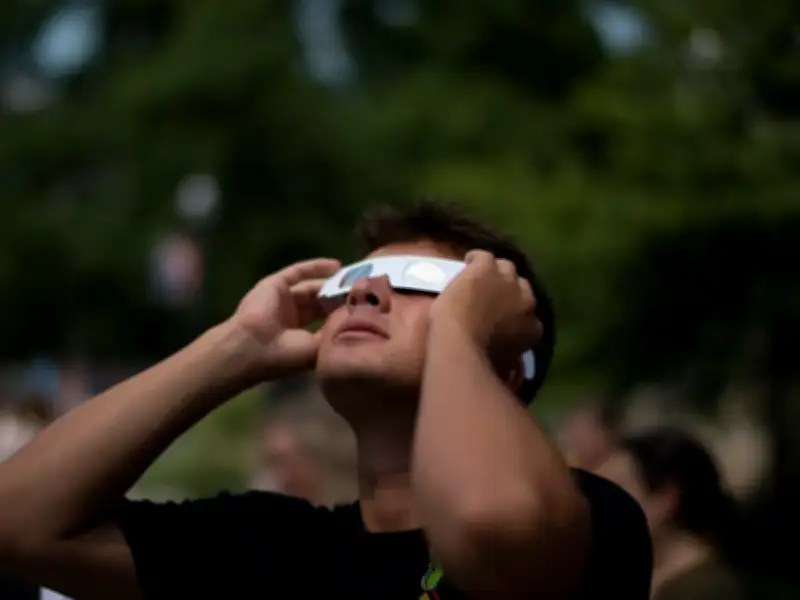
Technology experts have warned that using a smartphone to watch or photograph the solar eclipse on Wednesday, 12 August, carries serious risks to both the device and personal data. Pointing a smartphone camera directly at the Sun can permanently damage its internal image sensor, and the danger increases significantly if magnifying lens attachments are used.
Eclipse viewing and phone risks
Over 90 per cent of the Sun will be obscured above the UK between 6.17pm and 8.06pm this evening, marking the most complete eclipse since 1999, when parts of south west England witnessed totality. Millions of people are expected to head to local parks or hilltops to observe the event, and many may look to their smartphones to capture the rare sight.
NASA has warned during previous solar events that phone camera sensors react like any other image sensor when exposed to concentrated, intense solar radiation. Responding to a question on X about whether it could damage a phone, ahead of the 2024 total solar eclipse in North America, a spokesperson wrote: "The answer is yes, the phone sensor could be damaged just like any other image sensor if it’s pointed directly at the Sun."
Protecting your phone and data
Antonio Garcia Fernandez of the Volunteer Astronomy Observers of Spain said that lenses must be shielded by purpose-built solar filters. Experts recommend ISO 12312-2 certified filters, such as Solar Snap, which are specifically designed for smartphones. A DIY low-cost workaround is to hold a certified, undamaged pair of eclipse glasses flush over the smartphone camera lens while snapping photos, which may safely capture the eclipse without damaging the device.
Marijus Briedis, Chief Technology Officer at NordVPN, urges caution when using apps that brand themselves as safe to use. "People should be wary of unfamiliar apps making exaggerated claims about what their phone can do," he said. "Software alone cannot make it safe to point a camera at the Sun."
App safety and cyber risks
Briedis advises checking who made an app, how long it has been available, and what other users have said about it before downloading. He recommends sticking to official app stores and paying particular attention to the permissions it requests. "Location access could make sense for an app calculating when the eclipse will be visible where you are, and camera access could be necessary for photography features, but requests to access things such as your contacts, messages or other unrelated data should raise questions."
He also warns against downloading an eclipse app through a link seen in an advert, social media post, email or message, noting that cybercriminals are very good at attaching themselves to whatever people are searching for at that moment, and the huge interest around Wednesday’s eclipse gives them an obvious opportunity.