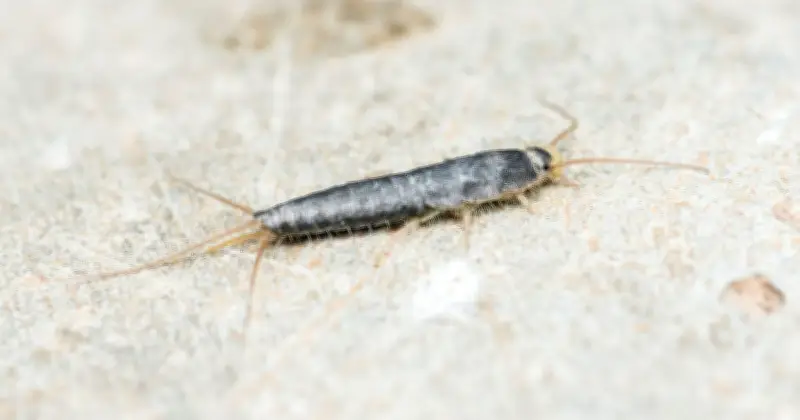
Silverfish infestations are on the rise in the UK, with August and late summer marking peak season. These wingless insects thrive in humidity levels of 55-70%, and the UK's damp climate provides ideal conditions for them.
While silverfish pose no threat to humans, they can damage household belongings including books, wallpaper and fabrics, and leave behind marks from droppings and shed skin. Their diet includes household paper, wallpaper adhesive, pantry dry goods such as flour and oats, natural fabrics, and dead insects. They can also survive for many months without food.
Key task to deter silverfish
Sam Davies, Director at Age Care Bathrooms, says the most important task is drying your shower and bath after use. "Silverfish thrive in damp environments, which means bathrooms can provide the perfect conditions for them to hide and breed. Taking a few seconds to wipe down wet surfaces, especially around shower trays, baths and sinks, is a simple way to keep your bathroom drier between uses," he said.

Davies also recommends regularly washing and drying bath mats, noting they can become a warm, sheltered space for silverfish when left damp. Hanging bath mats over the bath or shower rail after use helps them dry faster and removes a potential hiding spot.
Ventilation and moisture control
Leaving the extractor fan running after showering is another recommended step. "Keeping your fan running for around 15 to 20 minutes after showering can help remove lingering moisture. It is also important to clean your extractor fan every few months and check it is working effectively, as dust and dirt build-up can reduce how efficiently it removes damp air," Davies advised.
Opening a window or leaving the bathroom door open after showering can improve ventilation and prevent moisture from becoming trapped, particularly in bathrooms without strong extraction. For bathrooms with frequent condensation issues, a compact dehumidifier can help eliminate surplus moisture.
Identifying infestations and prevention
Warning signs of a silverfish infestation include frequent sightings in dark and damp locations, tiny black marks or droppings, damage to paper products, wallpaper or fabrics, and small scales left behind from moulting.
Davies said: "Silverfish are often spotted in bathrooms because they are attracted to warm, humid environments. However, seeing one silverfish does not always mean you have an infestation, so homeowners should look for repeated sightings or signs of activity such as droppings and damage."
Inspecting for hidden leaks is also important, as silverfish are attracted to areas with consistent moisture. Sealing openings around pipes and fittings can help, as silverfish can slip through tiny gaps. Davies recommends replacing cracked or damaged silicone around baths and showers to keep water from seeping into hidden areas.
Storing cardboard and paper products in bathrooms should be avoided. "Silverfish feed on starches found in materials such as paper, cardboard and some adhesives, so keeping spare toilet rolls or packaging in the bathroom can make the space more attractive," Davies explained. Keeping these items in airtight containers and clearing clutter from cupboards can help deter the pests.