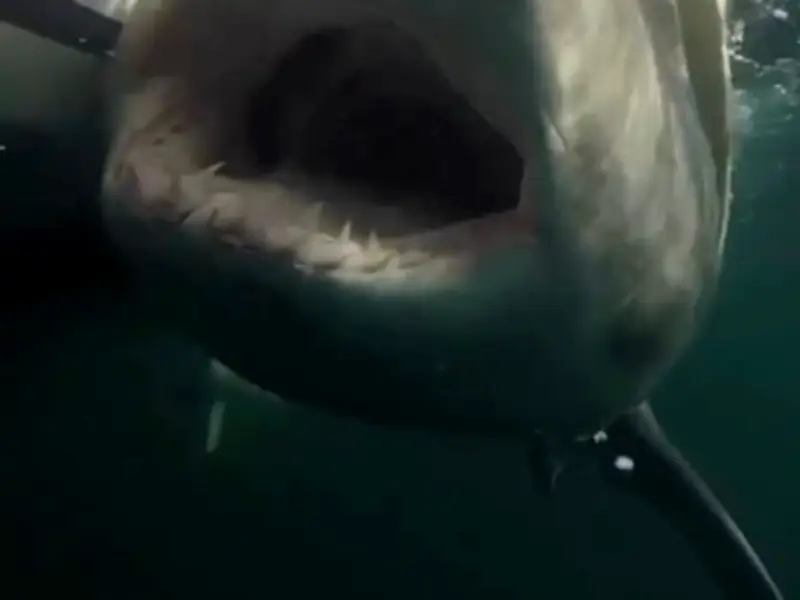
A massive 12ft shark was spotted just 40 metres from swimmers at St Ouen's Bay in Jersey on Saturday, prompting lifeguards to hoist red flags. The incident has renewed focus on shark safety as experts suggest climate change may be attracting larger sharks to British beaches.
Rising Shark Encounters
While shark attacks remain extremely rare, they can be deadly. Of the 35 incidents worldwide this year, seven have proved fatal. Some experts believe it is only a matter of time before species like hammerheads and great whites are seen in UK waters.
What Not to Wear
According to the International Shark Attack File (ISAF), avoid wearing shiny jewellery as the glint of light reflecting off metal can be mistaken for fish scales. The organisation also advises avoiding bright-coloured and high-contrasting clothing, as sharks see contrast particularly well.
Right Place, Right Time
The ISAF warns that dawn and dusk are the most dangerous times to swim, as many sharks are most active and feeding then. Swimming far from shore, between sandbars, or near steep dropoffs can increase risk, as can areas with fishing activity or sewage spills. Diving seabirds can indicate the presence of bait fishes.
Don't Splash
Sharks are attracted to splashing, which can mimic the sounds of prey in distress. The ISAF advises refraining from excess splashing, particularly in a single spot. It may also be advisable to stay out of the water if bleeding from an open wound, though there is no evidence sharks track human blood.
If All Else Fails
If face-to-face with a shark, stay as calm as possible. Aim punches at the shark's nose, eyes, and gills, as these are sensitive areas. Do not take your eyes off the shark, and keep your front and sides protected. Use an object like a surfboard as a weapon if possible. If bitten, stem the bleeding and seek emergency help immediately.