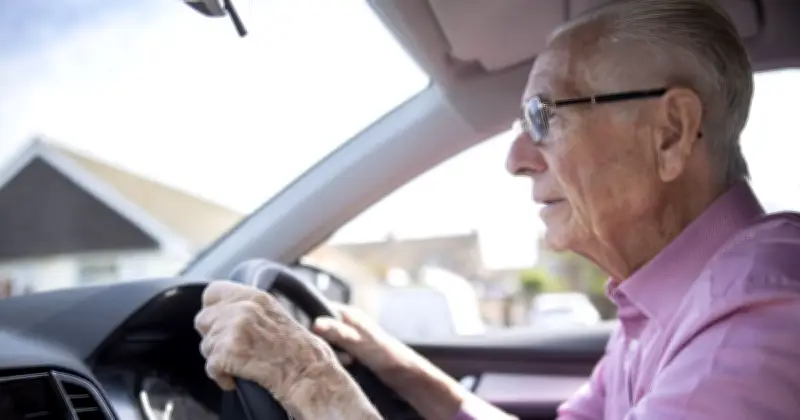
A safety campaigner has called for older drivers to be banned from the road “somewhere in their 80s” with a maximum age limit introduced to get behind the wheel in the UK. There is currently no upper limit to hold a driving licence in the UK, with individuals free to stay behind the wheel as long as they are still considered fit and healthy to drive.
Concerns over rapid health deterioration
John Kushnick, Legal Operations Director at National Accident Helpline, has previously suggested that older drivers should face a mandatory cut-off due to concerns around “rapid health deterioration”. Although he hasn’t specified an exact age at which pensioners should be off the road, the expert made clear that changes should only be considered for road users older than 80.
Last year, Mr Kushnick said: “A maximum driving age should also be introduced, likely somewhere in the 80s, due to the potential for rapid health deterioration.”
Average age for giving up driving
According to the AA, the average age when people tend to give up driving is 75 years old. However, they revealed that it was important to remember that giving up driving may not always be a choice. Some medical health conditions can mean that drivers are no longer legally allowed to get behind the wheel of their vehicles.
Any medical condition that could impair motorists' ability to drive must be reported to the DVLA, with over 150 ailments listed as issues officials must be informed of. Previous data has suggested there are as many as 1.65 million over-80s holding driving licences in the UK.
Eyesight testing consultations
Officials are looking at changing the rules for older drivers, with updates around mandatory eyesight testing consulted on earlier this year. It could see pensioners forced to undertake eyesight tests to renew their licence every three years. However, an upper age limit is not being looked into by politicians at this stage.
John added: “Driving is inherently dangerous and requires the ability to react swiftly to emerging risks. As such, anything that slows a driver’s reaction times increases the danger. Poor eyesight is a clear example – drivers may be slower to respond or may completely miss potential hazards. For instance, they may not see traffic lights changing or fail to notice other vehicles stopping in time.”