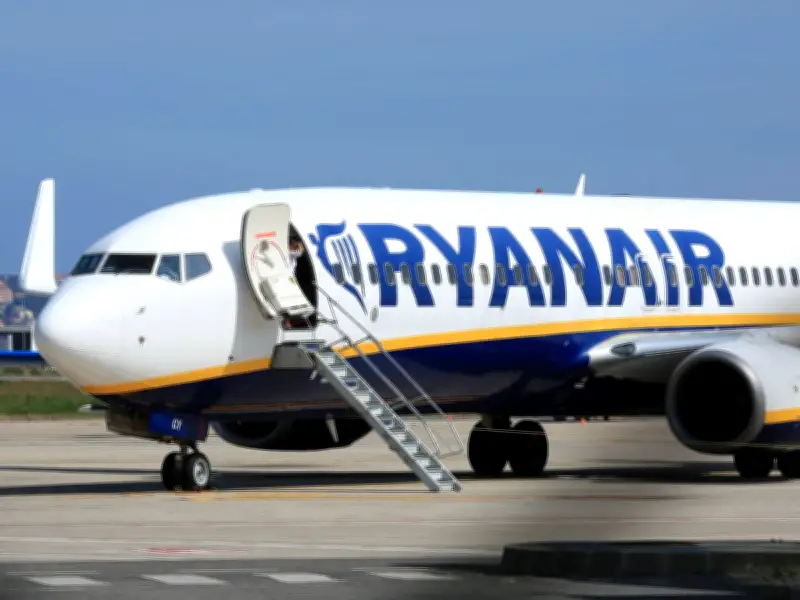
Ryanair has issued a stark warning to passengers this summer: do not expect flights to be held for delays caused by the new EU Entry Exit System (EES). The budget carrier's chief executive, Michael O'Leary, made clear that planes will depart without those caught in lengthy border queues.
EES delays causing missed flights
The EES, introduced for travellers to and from the Schengen Area, requires biometric data collection on entry and exit. This has led to significantly longer queues at many European airports, with some holidaymakers reporting waits of several hours and missing connecting or return flights.
Speaking on the Travel Expert with Simon Calder podcast, O'Leary stated: “We will not wait for anybody. If you are stuck, if you are not at the boarding gate when we finish boarding, the plane is going without you.” He added: “We are not delaying our flights for people who are stuck in passport control queues. They either have to show up at the airport earlier, or they have to be at the boarding gate; otherwise, they are not flying.”
Airports with worst delays identified
Ryanair previously identified 15 European airports experiencing the longest delays: Lisbon, Tenerife South, Madrid, Lanzarote, Alicante, Malaga, Milan Bergamo, Milan Malpensa, Verona, Paris Beauvais, Berlin, Cologne, Frankfurt Hahn, Krakow and Budapest.
The carrier's Chief Operations Officer, Neal McMahon, criticised the system, saying: “Families heading away for a well-earned summer holiday should be thinking about suitcases, suncream and sangria, not standing in passport queues for hours. The reality is that the EES system isn't working properly, and families are paying the price for a system that does not work months after launch. Passengers should not be the testing ground for unfinished border infrastructure.”
McMahon added: “We support calls from EU Member States to urgently extend the EES flexibilities. This will give airports and border authorities the time to improve the infrastructure, fix the broken devices and hire more staff so that families can travel through Europe without disruption.”
Who is affected?
The EES applies only to Schengen Area nations. While the Republic of Ireland and Cyprus are EU members, they are not in the Schengen Area, so travellers passing through their airports are unaffected.