With solar eclipse glasses selling out online, a simple DIY pinhole projector offers an easy alternative to safely view the UK's partial solar eclipse on Wednesday, 12 August.
UK to See Deep Partial Eclipse
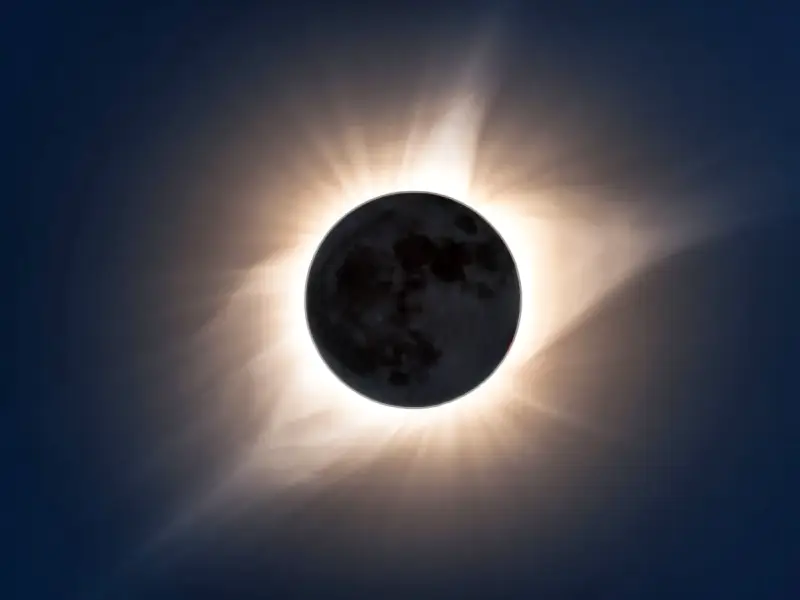
UK skies are set for a remarkable show this week, with a deep partial eclipse scheduled for Wednesday, the closest to totality since 1999. Parts of Greenland, Iceland, and northern Spain will experience complete darkness, while UK sky-watchers will see roughly 90% of the sun covered by the moon.
The UK last witnessed a total eclipse almost 30 years ago, when Cornwall and parts of Devon were in the path of totality. Such events are rare, with any given spot on Earth expecting a total solar eclipse only once every 360 to 410 years. The next total eclipse visible from the UK won't arrive until 2090, making this week's event a once-in-a-lifetime opportunity.
Safety First: Why You Need Protection
A solar eclipse occurs when the moon moves directly between Earth and the sun, casting a shadow that blocks the sun's light. Even when the sun appears largely hidden, looking at it directly without proper eye protection is extremely dangerous.
Eclipse glasses are a popular safe option, built with far more powerful UV protection than standard sunglasses. However, with demand soaring ahead of Wednesday, many retailers are already running low on stock.
DIY Pinhole Projector: Simple Steps
Fortunately, a brilliantly simple alternative can be assembled at home. A DIY pinhole projector allows indirect viewing, requiring no specialist equipment—just a cardboard box, a sheet of kitchen foil, and a pair of scissors.
Educational platform Twinkl Resources shared a step-by-step video guide on TikTok showing how to assemble one. It's an easy and enjoyable project, perfect for keeping kids engaged during the summer holidays.
How to Make It
Start by opening the cardboard box and taping a strip of white paper down one side. Cut out two squares from the opposite side. Cover one square with kitchen foil, securing it with tape, then use a pin to make a small hole in the foil's centre. Ensure the box is completely sealed at the top, leaving only the pin hole and the empty square.
How to Use It
On eclipse day, take the projector outside with your back to the sun. Angle it so sunlight shines directly onto the foil end, letting light pass through the pinhole. Look through the square viewing hole to see the sun's image projected on the white paper inside, and watch the moon's shadow move across it as the eclipse progresses.
Other Safe Viewing Options
If you prefer eclipse glasses, ensure any pair you purchase or dig out from storage meets safety standards. Royal Museums Greenwich advises that glasses must display a safety certification of either 'ISO 12312-2' or 'ISO 12312-2:2015' on the frame or packaging. Avoid using old pairs with scratched or creased lenses, as they may have reduced protection.
If getting outside isn't possible, the Royal Observatory will broadcast a free live stream of the eclipse from London on 12 August, allowing you to enjoy the event from home.