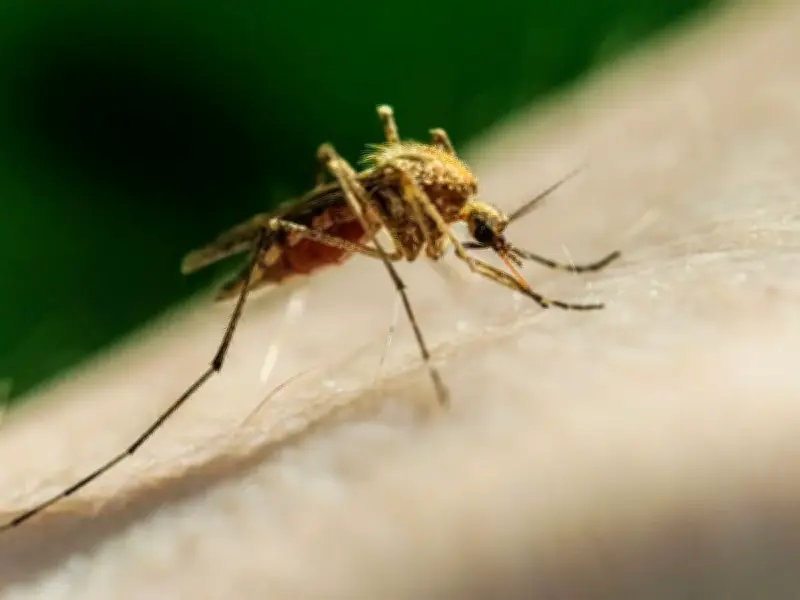
New York City health authorities have reported that the number of West Nile virus-carrying mosquitoes has almost doubled compared with the same time last year. Officials are intensifying mosquito-response efforts after identifying 612 West Nile-positive mosquito pools out of 2,040 tested, a steep rise from the 326 positive pools recorded out of the same number tested in 2024.
Health chief urges precautions
Health and Mental Hygiene Commissioner Dr. Alister F. Martin said: "Now is the time for every New Yorker, especially older adults and people with weakened immune systems, to take simple precautions to prevent mosquito bites." Martin advised residents to keep windows and doors closed and in "good condition" while ensuring they dump water that has been sitting still in gardens.
Mosquitoes can transmit the West Nile virus to humans by bite, with symptoms ranging from flu to "head-swelling" in some extreme cases. The disease cannot be transmitted from person to person. Officials in New York have not yet confirmed any positive cases in humans.

Cyprus patient in intensive care
Separately, the Cyprus Ministry of Health confirmed a patient is being treated in the Intensive Care Unit at Nicosia General Hospital after being admitted with encephalitis, a potentially life-threatening swelling of the brain, after testing positive for West Nile virus. Hospital sources said the man remains in a serious condition but has shown signs of improvement.
Older people and those with weakened immune systems are at greatest risk. There is currently no approved vaccine for humans and no specific antiviral treatment for West Nile virus.
Rising cases across Europe
West Nile infections are rising across southern and central Europe, linked to warmer temperatures and longer summers. Data from the European Centre for Disease Prevention and Control (ECDC) shows more than 429 human cases have been reported across nine European countries so far during the 2026 mosquito season. Italy is currently the worst affected, with 224 cases reported across 40 areas, mainly in northern regions including Padova and Cremona.