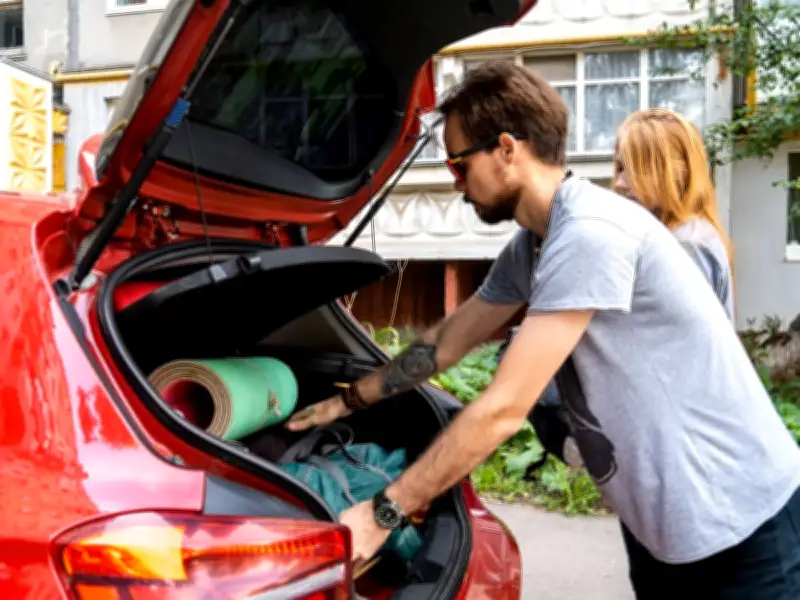
Motorists across the UK are being advised to remove medication from their vehicles before midweek, as temperatures are forecast to reach 30C and above. The nation is currently experiencing its fifth widespread heatwave of the year, with conditions expected to peak on Wednesday and Thursday.
Heatwave warnings and temperature forecasts
Over the next two days, the Met Office indicates temperatures could reach between 34C and 36C, particularly in central, southern, and south-eastern England. The UK Health Security Agency (UKHSA) has issued amber warnings for much of England, which remain in effect until Friday evening owing to high and extreme temperatures.
Heatwaves are rapidly becoming a common feature of UK summers. While Britons often focus on personal comfort and staying safe, soaring temperatures also pose serious, easily overlooked hazards for motorists and their vehicles.
Dangers of hot cars
A stationary car can become perilously hot far quicker than most people expect. According to research from Stanford University, the interior temperature climbs most sharply during the first 30 minutes under direct sunlight. Within a single hour, the inside of a vehicle can reach 47C, even on a moderate day of 22C.
Extreme heat affects more than simply comfort; it influences the physical state of the car and the road. Soaring temperatures place additional strain on engines, batteries, and tyres. Heat can cause road surfaces to soften, altering how a vehicle handles. Dogs face the greatest danger when left in a hot car.
Medication must not be left in vehicles
Items kept inside the vehicle can also become hazardous or sustain damage from the extreme heat. One specific item that should never be left in vehicles during a heatwave is medication.
According to advice shared by online car-buying service WeBuyAnyCar: "Some medicines need to be stored below 25C or in the fridge, following the storage instructions on the packaging. Many medications, including insulin and other injectable treatments, are sensitive to heat, so check the official guidance to confirm how to store them safely. If you need to travel with heat-sensitive medication, keep it with you rather than leaving it in a parked car, ideally in an insulated cool bag or cool box, to stop it getting too hot. Always follow the manufacturer's storage guidance."
Particular medications are more vulnerable to temperature fluctuations than others. Severe heat can break down active ingredients, making vital medicines such as insulin, inhalers, and EpiPens ineffective or dangerous. Keep medications at the temperature specified on the packaging; the majority should be stored in a cool, dry location.
Common heat-sensitive medications
- Insulin: loses structural stability and chemical potency very quickly, rendering it ineffective for blood sugar control.
- Adrenaline auto-injectors: heat breaks down the epinephrine inside, compromising emergency delivery during severe allergic reactions.
- Metered-dose inhalers: pressurised canisters can malfunction, leak propellants, or burst under extreme cabin temperatures.
- Nitroglycerin tablets: the active compound evaporates rapidly in high heat, leading to total treatment failure for angina.
- Liquid medications and suspensions: high temperatures cause phase separation, altering concentration and destroying active chemical properties.
A medicine appearing perfectly normal is no guarantee that it remains safe or effective after exposure to heat. It could, in fact, be significantly less potent than it ought to be. Should you have any queries or concerns, consult your GP or pharmacist.
Other items to remove from cars
To remain safe and prevent damage when parking in hot conditions, drivers should also remove the following items from their vehicle:
- Electronics and batteries: phones, sat navs, power banks, vapes, and dash cams can leak, degrade, or explode due to heat. Disposable batteries can also leak acid, potentially damaging upholstery.
- Pressurised items: aerosols such as deodorant, hairspray and sunscreen pose an explosion risk as pressure accumulates inside them. Disposable lighters also pose an ignition hazard if the gas inside expands.
- Food and drink: canned fizzy drinks can burst under pressure, while plastic water bottles may leach harmful chemicals when exposed to heat.
- Important documents: passports, identification documents and other important paperwork can warp or become illegible in extreme temperatures. Leaving such items in the vehicle also heightens the risk of theft and identity fraud.
Other easily overlooked items include sunglasses, which can warp or discolour if left on the dashboard in direct sunlight; makeup, particularly lipstick, which can melt and stain the car's interior; hand sanitiser, which often contains flammable alcohol; pens, which can burst and leak ink that's difficult to clean up; and glasses with curved lenses, including prescription glasses and sunglasses, which can occasionally concentrate sunlight like a magnifying glass and pose a small fire risk.