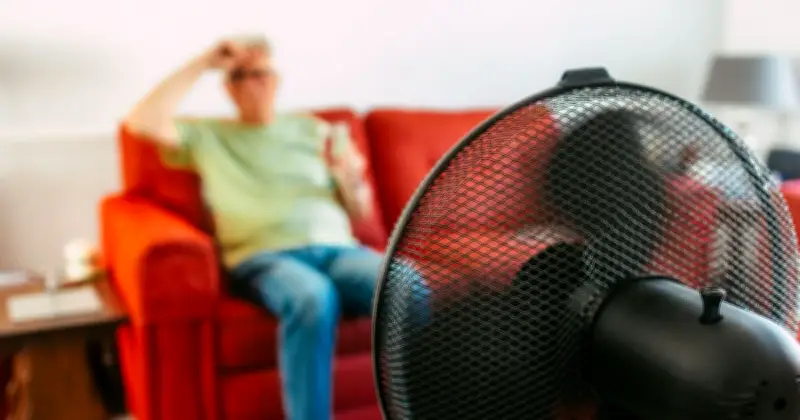
The Met Office and NHS have issued renewed health guidance as hot weather sweeps the UK, urging people to check on vulnerable family members and neighbours. The warning follows a record-breaking period of scorching conditions, with temperatures reaching 30.6C on Sunday in Frittenden, Kent, bringing the total number of days above 30C in 2026 to 35 – a new UK record.
Fifth heatwave expected
Forecasters warn the heat shows no sign of abating, with the fifth widespread heatwave of the year likely to be officially declared this week. While many welcome the summer sunshine, health officials warn that extreme temperatures carry severe risks, including a sharp rise in serious illness and deaths, particularly among older adults.
The Met Office tweeted: "Today will be very warm for some and temperatures are set to rise further in the week ahead. A small action could protect vulnerable people that you know from the heat. Reach out to older people, those with underlying conditions and those who live alone and help them keep cool…"
Health risks of extreme heat
Extreme heat puts stress on the body, leading to severe dehydration, overheating, and worsening of cardiovascular or respiratory conditions. It can also trigger dangerous heat exhaustion and heatstroke when the body loses its ability to regulate temperature.
Vulnerable groups include adults aged 65 and over, pregnant women, children under five, people living alone, rough sleepers, manual labourers, outdoor exercisers, those on multiple medications, and people with conditions such as heart disease, dementia, diabetes, or mental health issues.
NHS safety advice
The NHS advises staying out of the sun between 11am and 3pm, wearing light clothing, applying sunscreen, and avoiding strenuous exercise. People should cool down with cold drinks and cool showers, avoid alcohol and caffeine, keep indoor spaces cool by shading windows, and monitor room temperatures where vulnerable relatives live.
If someone feels unwell with a high temperature, it may be heat exhaustion or heatstroke. Signs include dizziness, confusion, nausea, and rapid breathing, with severe symptoms requiring immediate emergency care via 111 or 999. Concerns about an uncomfortably hot living environment can be reported to the local council's environmental health office for inspection.