The Met Office has identified August 18 or 19 as the dates when rain could finally bring relief to drought-affected areas of England, but cautioned that the forecast remains tentative. Most of the UK will continue to experience dry and warm conditions in the meantime.
Heatwave to intensify
Temperatures are expected to spike to a possible 36C in some areas on Wednesday and Thursday, with heatwave conditions likely to return for many. The Met Office warned of potential impacts on infrastructure such as railway lines and power networks.
Health officials have issued alerts, with significant impacts possible in health and social care settings and a potential rise in deaths due to the heat. Yellow heat health alerts from the UK Health Security Agency are in place for the East Midlands, West Midlands, South East, South West, East of England, Yorkshire and the Humber, and London until 9pm on Tuesday.
Drought status
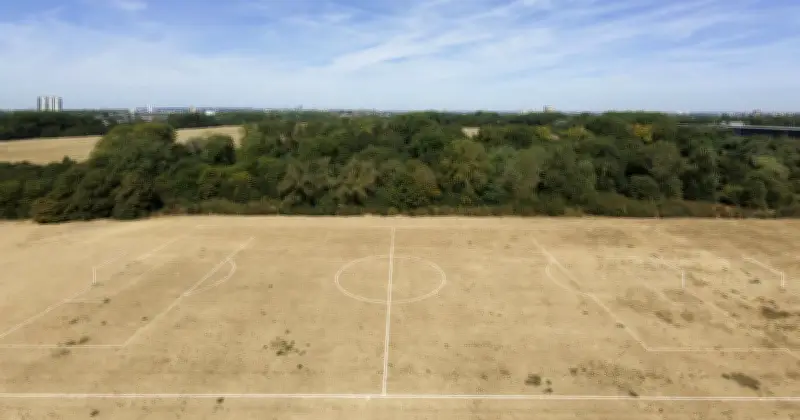
Half of England and all of Wales have been plunged into drought, and more regions could be declared when officials meet at the National Drought Group on Monday.
Met Office forecaster Tom Morgan told the Press Association: “Unfortunately, in the south of the UK it’s looking really dry for the next week or so.
“Where we desperately need it (rain) in the particularly drought-affected areas, the week ahead is expected to be dry.
“There’s tentative signs from around August 18, 19, but a long way in the future, that we might see a little bit more in a way of rain getting further south across the UK, but nothing definitive at this stage.”
Wildfires and fire risk
An ongoing drought is turning Britain brown, and several wildfires have broken out in recent weeks, including large blazes at Dunwich Heath in Suffolk, Headon Warren on the Isle of Wight, Llanwonno in the Rhondda Valleys, South Wales, and the Cairngorms National Park in Scotland.
Nottinghamshire Fire and Rescue Service declared a major incident on Sunday as two large fires in woodland put a strain on resources.
According to the Fire Severity Index, any wildfires are likely to be exceptionally severe on Sunday in almost all of the east and south-east of England. “Exceptional” severity is its highest ranking.