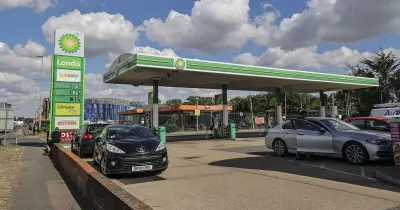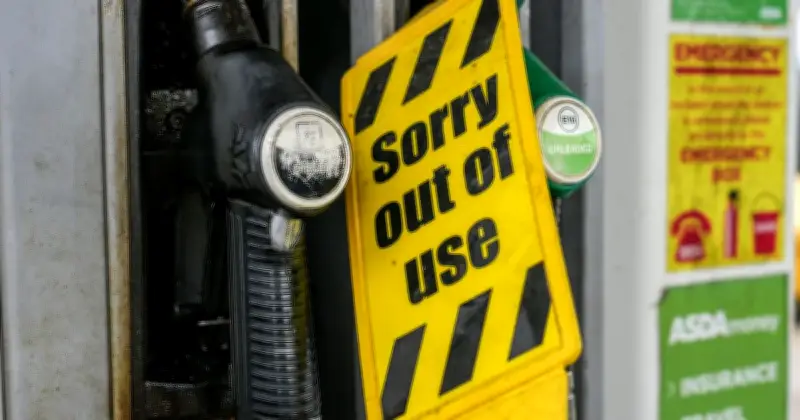
The Government is insisting that the UK’s supplies of diesel are ‘robust’ and that the country has a ‘wide range’ of sources for the fuel as prices rocket to £2 a litre and fears of rationing supplies are raised.
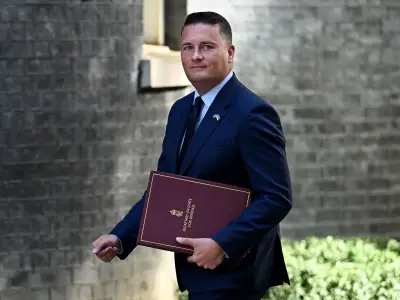
Transport minister Keir Mather said the UK had a wide range of fuel sources and that the Government is working with European countries on supply.
Minister’s reassurance on fuel resilience
Mr Mather told Sky News: “I want to reassure people this morning that the United Kingdom has got a diverse range of supply when it comes to diesel.
“We have resilience built into our system for that reason. We are working very closely with our US counterparts to stress the importance of that relationship, and the importance of sustaining flows of diesel around the world, but also working through international fora in the International Energy Agency and partners in Europe from whom we get a proportion of our diesel imports as well.”
He added: “Although prices have gone up at the pump, the Government is aware of that and the freeze in fuel duty is still in place. People shouldn’t be concerned about shortages because of the inherent resilience that is built into that system.”
Record prices and supply concerns
Diesel prices now sit at 199.72p on average, the highest ever recorded in the UK. Petrol, meanwhile, is 174.54p per litre, according to the RAC’s fuel price checker.
Under questioning from Nick Ferrari on LBC on whether he agreed with President Trump about European diesel reserves, he said: “We’re working closely with our European partners on diesel supply. It means we’re continuing those discussions about how we retain our resilience and robustness of our supply chains.
“President Trump is welcome to make those comments, we’ve got to focus here at home about ensuring that we have diversity of supply into our economy. Our European partners are absolutely central to that, particularly the flows of diesel coming through the Netherlands.”
Rationing plans and priority measures
Reports from Sky News suggest the UK had just 42 days of diesel left as of July, the lowest among developed nations aside from Australia.
Back in March, as the conflict first broke out, a Labour Treasury minister refused to rule out petrol rationing in the wake of the crisis, and Government plans set out by the Department for Energy Security & Net Zero under its National Emergency Plan for Fuel show exactly how rationing would work in practice should it be implemented.
Measures include a priority purchase scheme giving first priority for diesel to emergency workers and then to public transport, a maximum purchase scheme to restrict the supply per visit to members of the public at forecourts, and restrictions on trading hours for filling stations.