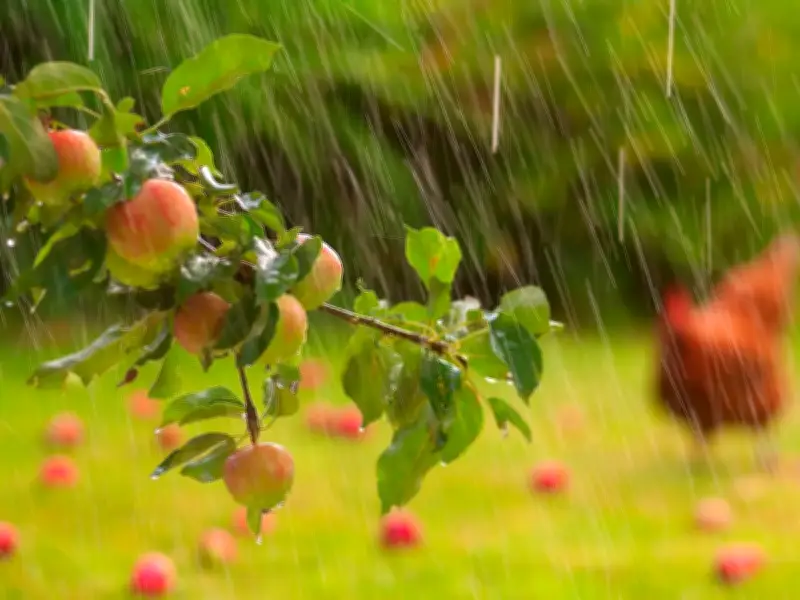
Gardeners have been issued an 'avoid' warning as rain returns following the UK's hot summer. Households with gardens will no doubt be over the moon when the rain eventually arrives, whether in the form of light showers or heavy downpours.
However, it will take some time for conditions to return to normal, and in the meantime, experts warn you'll still need to tend to your soil and plants to help ease problems such as flash flooding, weakened plants keeling over and slugs and snails making an unwelcome comeback.
Expert advice on coping with the downpour
"In an ideal world, which we don't have, you would get some gentle rain, maybe a few light showers to begin with, so that the water can gently permeate down into the incredibly drought-ridden soil, and then you get heavier rain afterwards," says Kim Stoddart, editor of Amateur Gardening magazine and author of The Climate Change Resilient Vegetable Garden.

"That would better enable the soil to cope with the flip from extreme drought to rain and a lot of moisture. When you get very heavy rain immediately, the water just can't slow its spread and unfortunately there's the risk of flash flooding."
She warns that gardeners may also encounter a number of other challenges. "Container plants can become quickly sodden, especially if they're not up off the ground," Stoddart explains, "and when the lawn has been crisped dry, then you get a lot of rain, if you walk on it you can cause further damage."
Stoddart also warns that airborne fungus can take hold in plants that have suddenly become waterlogged, while slugs and snails, which have been largely nowhere to be seen this summer, will rapidly reappear. "Plants that have been weakened by the drought are also more susceptible to the next weather extreme and to pests and diseases ultimately," she says.
How gardeners can prepare for the rain
"Avoid feeding plants. In pots it's a bit different because you don't have as much soil life or natural resilience, but if you are looking at the soil, tap into its amazing capacity for resilience, the mycorrhizal fungi, the soil life, all these things that can help plants put on slower growth, to dig deeper with their roots and to have more resilience against weather extremes," she warns.
"If you keep feeding your plants, which is commonly advised, that creates plants that are really needy of your attention and not resilient in conditions like this. If plants are too pampered, they are vulnerable."
"Very heavy rain is going to flatten some plants potentially. Taller plants can be more at risk because they can become destabilised," she observes. "Plants such as heleniums might topple, so provide support for the more vulnerable, taller species."
"If there's a risk of flash flooding in your area, try to put out anything you can use to collect water. It doesn't just have to be water butts, it could be old bins, a wheelbarrow or buckets," Stoddart suggests. "If a row of houses at risk of flash flooding were all to collect rainwater, it massively reduces that risk." Additionally, clear gutters and ensure your drains are free of leaf litter so that water can drain away properly.
Mulch, deadheading and pest control
"Once the rain arrives, mulch the soil using compost, which will slow-release feed the soil, or alternatively use wood chip or leaf mould," Stoddart suggests. "We've got a nutrient leach-away. Soil fertility is at risk of being washed away. Mulch to keep the soil nutrients in. It helps to protect the soil life down below, which in turn helps the plants." Wait until the ground is sufficiently wet before applying the mulch, but refrain from using fertiliser which may encourage plants into new growth, which is not what they need immediately.
"There is this commonly given advice that you should deadhead all the time with, for example, the likes of roses," says Stoddart. "When you get a lot of rain, if you just keep deadheading a plant it can put a lot of stress on it. The key with this, once there's a lot of rain, is to go very gently. You don't want to put plants under too much pressure so they have to put on too much growth immediately (after deadheading), because they have been weakened (by the drought)."

"Tackle your beds and borders on a plant-by-plant basis," she recommends. Roses, for instance, may be more susceptible to blackspot, and may therefore require improved airflow, she explains. "Look closely. If there are aphids on the plants, are there also ladybirds? Do you need to intervene if the aphids are potentially food for ladybirds?"
"But do watch out for slugs, which are going to emerge. You might think there haven't been many slugs around but they are very adaptable, resilient creatures. Put down a plank of wood or something they can hide underneath, which will enable you to pick them off after it's rained, when it's cooler in the evening and they start emerging."
If conditions remain particularly hot, avoid stripping lower foliage from plants as this helps shield the soil, she advises. However, keep a close eye out for slugs and snails that may be lurking at the base of your plants. During warm, wet spells, your prized tomato plants could be devastated by blight. Ensuring adequate airflow around the plant can help minimise the risk of blight taking hold. "You can remove the foliage. I also leave a good metre between tomato plants. Tomatoes need plenty of air circulation," she says. "Keep your tomato plants well spaced, as this airborne fungus can spread with alarming ease from leaf to leaf and plant to plant."
Lawn care and seed saving
"For some people, getting the lawnmower out can be a habit, but try and leave the lawn. Let lawns gently recover and if you have to mow it, do it on a much higher setting."
"When plants get sodden they can rot, so if you are seed-saving, do it now before the seedheads become rotten," she suggests.