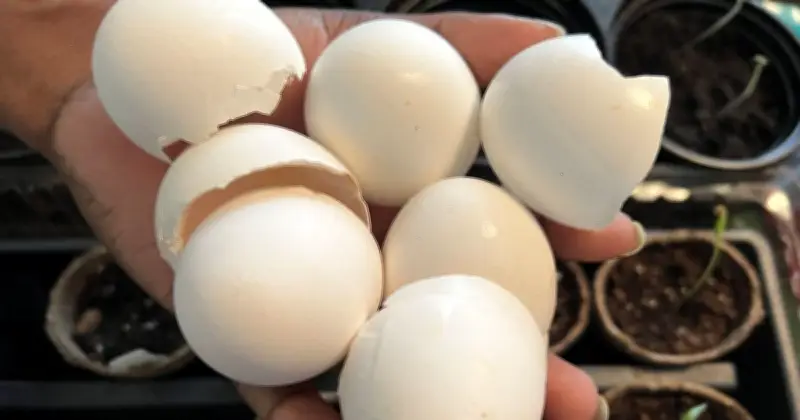
Gardeners are being urged to scatter eggshells on their lawns this summer to help turn tired, patchy and severely brown grass back into a lush green outdoor space. The advice comes after a year that has been especially hard on lawns, thanks to ongoing droughts and a severe lack of rainfall.
One kitchen scrap could help bring lawns or garden plants back to life after the peak of the hot summer weather: eggshells. Instead of using chemical-based fertilisers, which can in some ways cause more harm than good, gardeners can boost their grass, enrich their plants' soil and support plant growth using eggshells.
Why eggshells help grass and soil
The shell of a chicken's egg is made up of calcium, which is an essential plant nutrient and also moderates acidity in the soil. Gardeners can apply the shells to specific plants, or add them to water and use that to water the lawn.

Grasshopper Lawns says: "Crushing the eggshells before adding them to the soil helps them break down faster, making their nutrients more available to plants. This slow-release calcium supports cell wall development and can help prevent issues like blossom end rot in vegetables. While not a quick fix, regularly using crushed eggshells is a simple way to support long-term plant growth and soil health."
Composting and preparing eggshells
This is backed up by Gardeners World, which says eggshells are principally made up of calcium, in the form of calcium carbonate, better known to gardeners as lime. A typical eggshell contains just over 2g of calcium, which makes up 95 per cent of the shell. Other beneficial nutrients and minerals contained in small quantities are phosphorus, magnesium, potassium, zinc, iron, and manganese.
As a plant food, eggshells are perfect for lime-loving plants such as brassicas, but are best avoided as a food for acid-loving plants, such as rhododendrons. The simplest way to use eggshells to benefit plants is by composting, adding the shells to garden and kitchen waste in a compost bin.
To prepare eggshells for using on plants or to put in a traditional compost bin, rinsing them in water first before hand-crushing is recommended, because the traces of egg white left inside the shell attract wild animals, such as rats. There is no need to wash the shells if putting them in a wormery or a rat-proof compost bin – simply crush the shells by hand before putting them in a kitchen waste caddy.