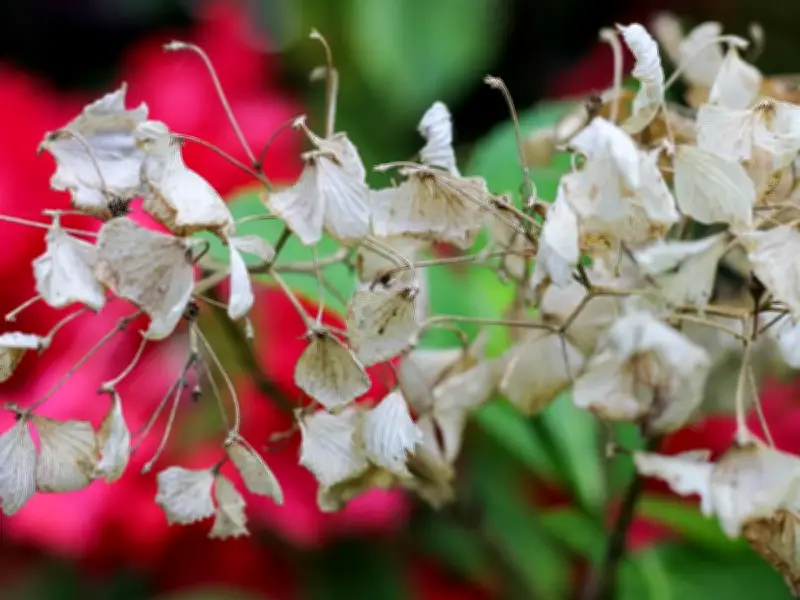
Gardeners have been issued key advice to help keep plants alive during the UK hosepipe bans, as more than two-thirds of England are now in drought. After five heatwaves this year and a lack of rain, land is severely dehydrated across the country, leading to wildfires.
Several UK water companies have implemented temporary hosepipe bans, with Wessex Water the latest utility firm to restrict customers after weeks of extremely hot weather. With restricted water use affecting how households can keep their plants alive, experts have revealed four water-saving tricks to revive wilting garden plants without breaking the ban.
Mulch and watering times
Heather Nixon, sustainability manager at eco-cleaning manufacturer Bio-D, has shared simple ways to keep plants healthy during the hot and dry weather. Applying a layer of bark or mulch around plants can retain moisture in the soil and reduce how quickly it dries out in the sunshine. “It’s a simple step that can help the water you do use go further,” she says.
Watering plants early in the morning or later in the evening, when temperatures are cooler, is also recommended. “Watering during the hottest part of the day can mean more of that moisture is lost through evaporation before plants have had the opportunity to benefit from it,” she adds.
Prioritising plants and reusing water
If water is limited, focus on newer plants and fruit and vegetable plants first. “Established plants and lawns can often recover naturally after periods of dry weather, so you don’t necessarily need to try to keep every area of the garden looking green throughout a heatwave,” Heather says.
Reusing water from around the home is another option. “Water collected from baths and showers, sometimes known as greywater, will generally contain highly diluted amounts of any products that have been used and can be suitable for watering lawns, houseplants and other non-food crops,” says Heather. “More caution is needed with kitchen wastewater, however, as it can contain higher levels of cleaning products alongside grease, food particles and bacteria. I wouldn’t recommend treating all household wastewater in the same way, so think carefully about where the water has come from before reusing it in the garden.”
“During prolonged hot weather, it’s about being resourceful with the water available. Small changes such as watering at cooler times of day, helping soil retain moisture and safely reusing suitable household water can all help you make better use of water without unnecessarily wasting it,” Heather adds.