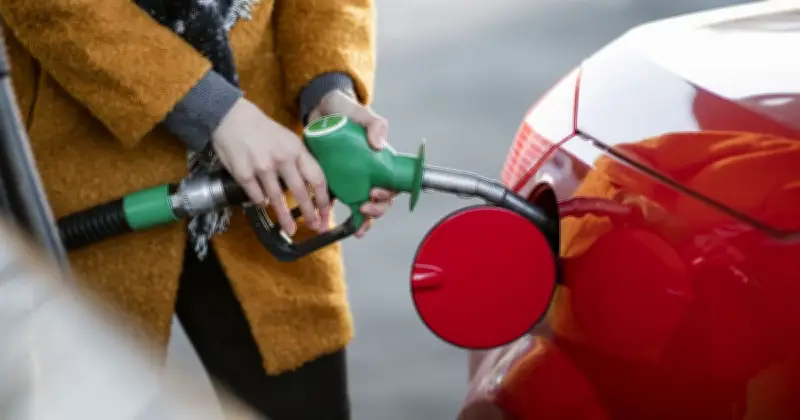
Drivers have been warned that four common errors behind the wheel could have a massive impact on their fuel economy as petrol and diesel prices rise once more. The RAC predicted diesel could break its all-time price record this month, and there is speculation fuel rationing could be introduced.
What are the four errors?
Speaking to the Express, GoCompare Car Insurance's Tom Banks stressed the importance of driving smoothly and ensuring vehicles are in good working order. He explained: "The easiest way for drivers to make their fuel go further is to drive smoothly.
"Harsh acceleration, late braking and unnecessary speed changes all use more fuel, so looking further ahead, easing off the accelerator earlier and maintaining a steady speed can make a real difference over time. It sounds simple, but your right foot has a big impact on how much you spend at the pumps."
Tom's comments were echoed by other car experts, including Young Driver Expert at Veygo by Admiral, Ian Edwards, who added: "Avoid leaving the engine idling unnecessarily and combine shorter journeys where possible, as engines tend to be less efficient before they've warmed up.
"Small changes might not feel significant on a single journey, but over time they can make a noticeable difference to how often you need to fill up."
What can drivers actively do to improve fuel economy?
Tom said there were also three things drivers could do to improve their average MPG (Miles Per Gallon). He explained: "Keeping tyres correctly inflated, removing unnecessary weight from the boot and taking off an unused roof box or rack can all help reduce the amount of fuel your car needs."
According to the RAC's Fuel Watch, diesel is sitting at 199.18p per litre and petrol at 174.13p per litre, although prices vary between pumps. The RAC's advice on driving economically echoes Tom's in emphasising the importance of maintaining one's car.
What has the RAC said?
The RAC said: "Regular maintenance and servicing improves the efficiency of your vehicle, and therefore can improve your fuel consumption. Getting your car serviced regularly is advised.
"It's particularly important to check your tyre pressures and make sure they are inflated correctly, as indicated in your owner's manual, as underinflated and overinflated tyres both adversely affect fuel economy."
However, maintaining your car won't stop someone from being subject to fuel rationing. According to the National Emergency Plan for Fuel: "The majority of potential fuel supply disruptions can be addressed by measures to help industry maintain fuel supply; these would be deployed by DESNZ in co-ordination with industry and other government departments.
"However, the government does have emergency powers under the Energy Act 1976, which it can use to control supply and demand of petroleum products. It should be noted that use of these emergency powers is reserved for the most severe of disruptions.
"Only when an incident has the potential to cause significant and widespread disruption to oil supply will government consider activating measures within the NEP-F."
Despite fears over fuel rationing, a spokesperson for DESNZ stressed the UK is not at a point of needing to engage in such an action, telling the Express: "We have a diverse and resilient supply. We continue to engage with our international partners and the UK fuel industry."