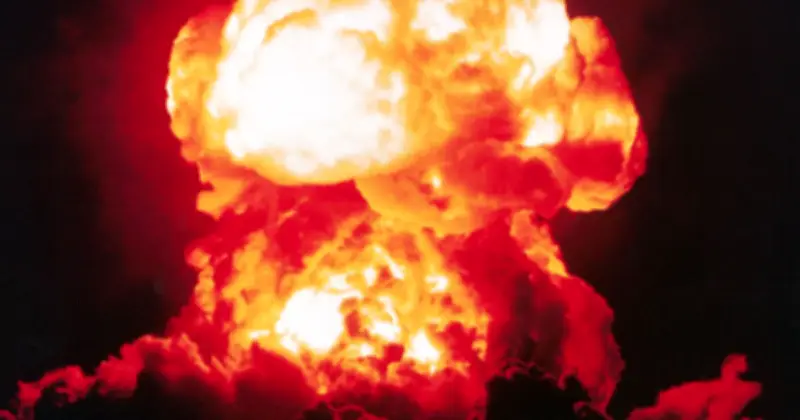
The International Commission on Radiological Protection (ICRP) has issued detailed guidance on what UK residents need to do in the first 24 hours after a nuclear strike. The advice covers five key actions that could be the difference between life and death.
Immediate decontamination steps
If you may have been exposed to fallout, the ICRP advises removing the outer layers of any contaminated clothing and footwear immediately. Any exposed skin and hair should be wiped off or washed. Fallout refers to the radioactive particles that fall from the atmosphere after a nuclear explosion.
For pet owners, the guidance states: “Any potentially contaminated pets should be brushed in a room away from where people are sheltered and washed if possible.”
Food, drink, and media advice
The radiological protection organisation says it is safe to consume food, drink, and medicine that is already in stores, shops, or inside your shelter. Another important step is to tune in to any available media, such as AM or FM stations, using a battery-powered radio, so survivors can listen for updated instructions.
Sheltering and evacuation guidance
The ICRP advises: “Stay inside unless instructed otherwise.” The organisation adds: “The danger from fallout will decrease rapidly. Remain in the most protective location (basement or centre of a large building) for the first 12 – 24 hours unless threatened by an immediate hazard (e.g., fire, gas leak, building collapse, or serious injury) or informed by authorities that it is safe to leave.”
Self-evacuation is strongly discouraged until hazardous fallout areas have been identified and safe evacuation routes established. In several areas, UK residents may see essential workers released from shelter for short intervals to perform critical support and life-saving activities.
After 24 hours, outdoor radiation levels are expected to have fallen significantly, but protective measures in your area may still be warranted.