Millions of households are preparing to switch their heating back on as temperatures drop. However, experts have warned that overlooking a few simple checks could leave households facing a costly repair bill.
October 18 has been dubbed Boiler Switch On Day, with many households expected to turn on their heating after months without using it regularly. But Adam Knight, lead engineer at home heating and cooling experts BOXT, has urged homeowners to test their systems before the first freezing morning arrives.
The expert explained: "The worst time to discover a problem with your heating is when the temperature has suddenly dipped and everyone else is trying to book an engineer. Testing your heating early gives you time to spot the warning signs and get them dealt with before a small issue turns into a breakdown."
Cost of Repairs and Pressure Checks
A standard boiler repair can cost around £300, while an emergency repair can average around £450, according to current 2026 figures. However, there are several checks homeowners can carry out themselves before calling in a professional.
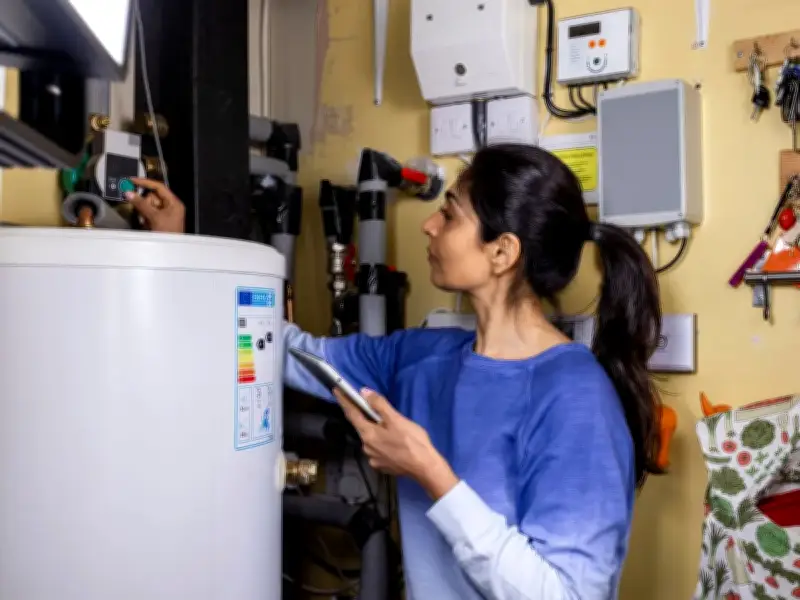
One of the first things to look at is the boiler pressure. Most systems should sit at around 1-1.5 bar when the heating is switched off, although homeowners should check their manufacturer's instructions for the correct level. If the pressure is repeatedly dropping, it could indicate a leak or another fault.
Adam said: "If the pressure is slightly low, repressurising your system is a quick and easy task that anyone can do. But if you find you're having to do it repeatedly, that's a sign something else may be going on and it should be checked by an engineer."
Testing the Heating and Radiators
It is also worth giving the heating a short test run and checking that the boiler fires up and heat reaches the radiators. Any unusual banging, clanking or kettling noises should not be ignored, particularly if the boiler repeatedly switches itself on and off.
Adam said: "One of the biggest mistakes people make is waiting until they actually need their heating before checking that it works properly. Check that the boiler fires up, the radiators heat from top to bottom and there aren't any new or unusual noises. If there is a problem, it's much better to discover it now than when you wake up to a freezing house."
The radiator itself can also provide clues that something is wrong with the system. If a radiator is cold at the top but warm at the bottom, trapped air could be the issue and bleeding it may help. Although if it is cold at the bottom and warm at the top, sludge or poor circulation could be the issue.
Thermostat and Professional Limits
The thermostat should also be checked after months without using the heating regularly. Homeowners should make sure the temperature, heating schedule and batteries are all working correctly.
However, some problems should always be left to a professional. Homeowners should not remove the boiler casing or attempt to repair gas components themselves. Additionally, persistent leaks, repeated pressure loss, unusual smells and fault codes should also be checked by a qualified engineer.
Adam said: "Homeowners can do lots of straightforward checks themselves, but there is a clear line when it comes to the boiler itself. Don't remove the casing or start working on gas components because you've found a tutorial online. If you're not sure what you're dealing with, get a qualified engineer to take a look."
With millions of homes relying on gas central heating, carrying out a few basic checks now could help identify problems before the heating is needed every day this winter.