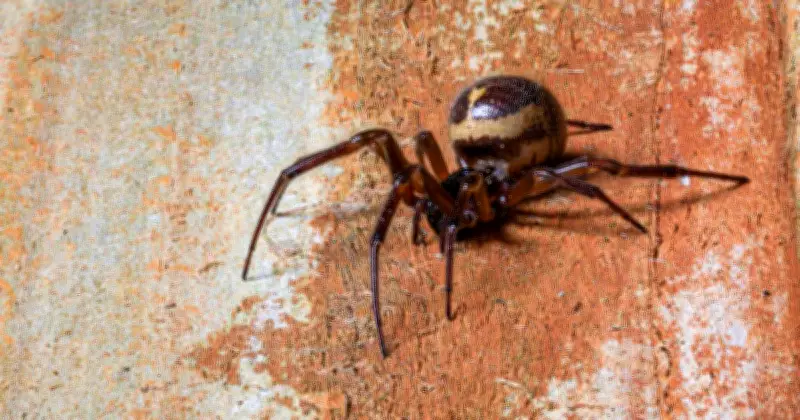
UK searches for “false widow spider bites” have rocketed by 5,000% in the past month, as sightings rise and NHS figures show spider-related hospital admissions remain a persistent issue. New FOI data reveals 91 admissions for spider bites in 2024, rising to 100 in 2025 – including 73 patients treated via A&E.
Heat drives spider surges
As Britain’s summers grow hotter and longer – with 2026 becoming the first year on record to hit 35°C in May, June and July – experts warn temperatures drive surges in false widow spiders. Garden expert Luke Newnes of Hillarys says: “Unlike mammals, spiders are ectothermic – cold-blooded – so their growth, development and activity are heavily influenced by external temperatures.”
He explains: “Heat speeds up their metabolism, allowing younger spiders to develop faster and adults to remain active for longer. When conditions are favourable, local populations can build much more quickly than in cooler summers.”

Myth-busting and practical advice
The noble false widow (Steatoda nobilis) is regarded as the UK’s most medically significant spider. Bites remain uncommon and are typically no worse than a wasp sting, yet public concern has grown as the species has spread.
Mr Newnes is keen to bust one common myth: spiders are not actively seeking open windows. He said: “They usually find their way inside through tiny structural gaps around window frames, door frames and damaged seals. Making sure these areas are properly maintained is one of the simplest and most effective ways to reduce indoor spider activity.”
With temperatures expected to stay high, experts say simple maintenance now could spare householders an unwanted encounter later.

Six tips to keep false widows outside
- Check and seal gaps around window and door frames – replace damaged weather seals and use exterior-grade sealant (both available for under £10).
- Repair damaged weather seals and external cracks around doors, windows, garages, conservatories and porches.
- Keep vegetation trimmed away from exterior walls so plants cannot act as a bridge.
- Reduce clutter in garages, sheds and loft spaces that provide ideal dark, undisturbed nesting spots.
- Limit outdoor lighting near entrances where practical, as lights attract the insects spiders feed on.
- Regularly remove webs around windows, doors and outdoor furniture to discourage spiders from settling.