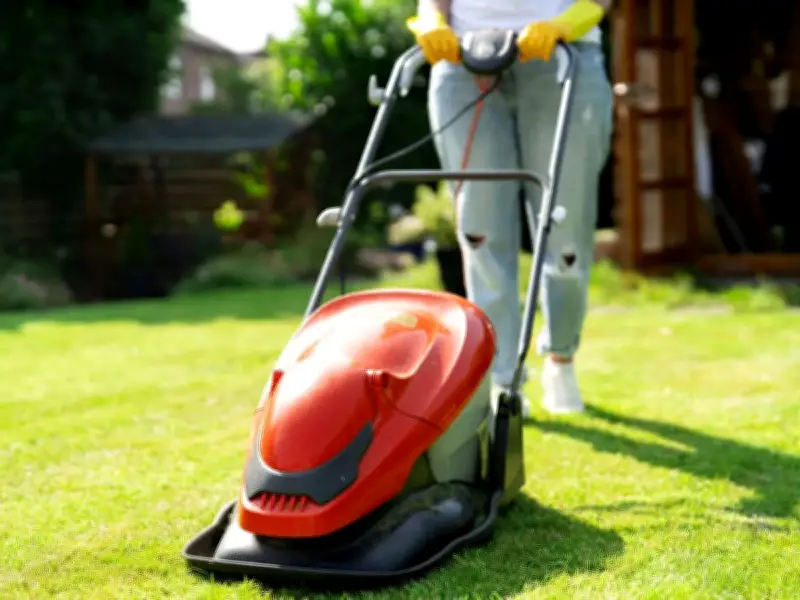
As autumn deepens, many homeowners are unsure about lawn care as sunny days give way to rain and falling leaves. A gardening expert has now revealed the optimal timing for the final grass cut to give lawns the best possible start when spring returns.
Craig Wilson, in-house gardening expert at Gardeners Dream, emphasises that a specific temperature threshold must be considered before mowing during this period. He recommends completing lawn mowing before temperatures fall to seven degrees and below, as this marks the point when grass growth significantly slows. The lawn then remains relatively dormant throughout winter before resuming normal growth around March.
Recommended timing for final mow
Wilson suggests scheduling the final mow of the year between late October and the end of November. However, he notes that with increasingly mild weather patterns, this last cut can sometimes be delayed slightly if necessary.
He points out that current forecasts indicate temperatures in England, Wales and Northern Ireland are not expected to drop to seven degrees or below until December 8. Meanwhile, those in Scotland face an earlier deadline of December 4. This provides households across the UK ample opportunity to complete their final cut before conditions become unsuitable, with only a few days' variation between regions.
Expert advice on frost risk
Wilson explained: "Ultimately, my advice would always be to keep an eye on the weather as we head into November. You want to make sure your lawn is cut before the first frost hits; otherwise, you risk the chance of damaging your grass."
"Therefore, to be on the safe side, I would always cut my lawn just before the end of November, even if it's been a mild autumn, just in case the weather decides to change and temperatures drop quicker than previously predicted."
Cutting height and aftercare
Lawn mower brand Mammotion echoes this advice, recommending that lawns are cut between October and early November, prior to the first frost, while leaving the grass slightly longer than usual. According to their website, the primary aim of the final cut of the season is "protection", suggesting an autumn cut should leave grass at roughly four to five cm in length. This acts as an insulating layer for the soil, offering greater protection to the "delicate crowns of the grass".
Wilson further advises that once the final cut has been carried out, aerating the lawn is essential to prevent waterlogging and compaction during the winter months. This can be achieved by piercing the lawn with a garden fork, which in turn improves drainage.