The Department for Work and Pensions (DWP) has announced that average wait times for the Access to Work helpline have fallen significantly, while the backlog of cases has been reduced by almost 3,000.
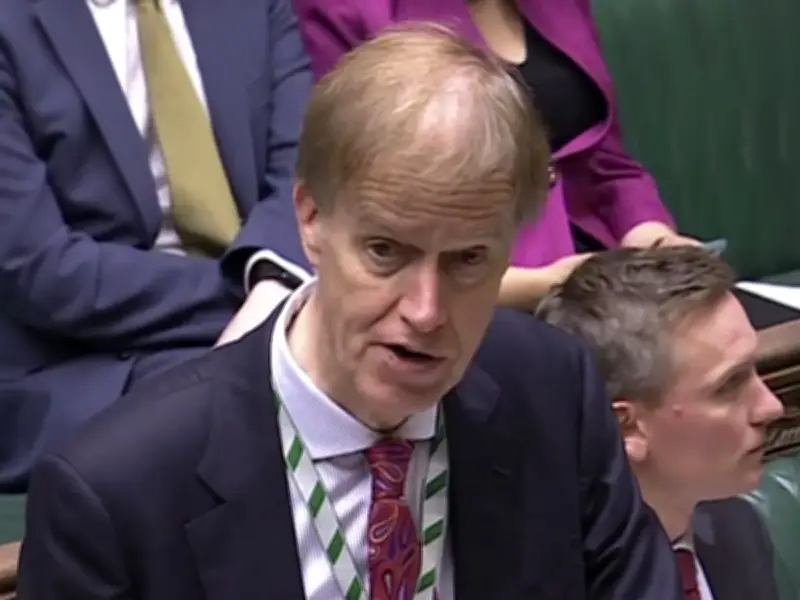
In a statement to Parliament on Monday, Sir Stephen Timms of the DWP said that in the last full year (2025-2026), the average wait time for the helpline was 21 minutes and 6 seconds. So far this year, it has fallen to 15 minutes and 1 second – the lowest figure since 2022-23. He cautioned that the figures could change after further checks but said progress was being made in tackling the backlog.
Backlog reduction and future outlook
Sir Stephen said: “Since the start of the 2026/27 operational year, Access to Work has made positive progress in reducing outstanding work. As of 1 October 2026, using the full reporting period from April to August 2026, we have achieved a net backlog reduction of almost 3,000 cases, specifically 2,980. With recruits now arriving and needing to be coached and trained for the next six months, we expect the backlog to stabilise before falling in the spring of 2027.”
He added: “Overall, the programme remains on track, and our assessment is that Access to Work continues to be on course to clear the backlog by September 2027.”
Current wait times and claimant concerns
In Parliament this week, the DWP said the average wait time for a decision following an Access to Work application was now more than 100 days (2025-26), up from 67 the year before. The DWP also said this month that the current waiting time for new applications is 37 weeks. As of May this year, around 60,000 people were awaiting a decision – up from around 48,000 two years earlier.
At the same time, WalesOnline reported that some people on the scheme were seeing their payments cut back. The Radio 4 Moneybox programme heard from two workers on the subject.
Jenny, a self-employed content creator who uses a wheelchair, said she saw her renewal award drop by 85 per cent. She told the Radio 4 show: "There's no formal process for reconsideration or for tribunal. Called up the day that we got the letter to put in a request for reconsideration, but were told that it was going to be at least five weeks before they even started looking at it." She said she still had to run her business and still needs support workers, even on reduced hours and reduced pay.
She said: “You know, it's having such a massive toll and impact on my mental and physical health, but also my income and my household income, and also my husband having to take time off work to support me in my job, which is not his responsibility because he has his own full-time job.”
Rana, a council worker who was born deaf, said a funding cut saw her lose her support worker, leaving her with only specialist equipment to help her in her job. She said: "Whilst technology can help, it cannot replace the human support I need to communicate effectively and fully participate at work. This decision is deeply demoralising.”
DWP response and recruitment drive
Responding to criticisms at the time, a DWP spokesperson said: "Access to Work is a lifeline, but demand for the scheme has grown significantly in recent years, with the number of people supported nearly doubling in five years. That's why we've taken action by employing nearly 500 additional staff to clear the backlog and are working with disabled people and their organisations to improve the scheme."
The spokesperson added: "If anyone is unhappy with their original decision, we encourage them to exercise their right of reconsideration." The department says it actively monitors demand and plans to deploy more staff to process claims.
In May, the government announced that almost 500 staff were being recruited to clear the backlog. The change would see more case workers and case managers employed and given 'extensive' training to handle complex cases. At the time, Pat McFadden, Secretary of State for Work and Pensions, said: “Access to Work is a lifeline for disabled people and those with health conditions, helping them to start and stay in work, but when I came to the DWP it was clear there was a major issue with people waiting for a decision.”
He added: “That’s why I’m taking action to clear the backlog, because we know that the right support can change lives. This is part of our wider commitment to move from a welfare state to a working state, building an economy that works for everyone.”