GP Dr Mariam Farshchi has warned that Wednesday's solar eclipse carries more risks than most people realise, from permanent eye damage to neck strain and accidents caused by distracted spectators. The warning comes as Europe prepares for its first total solar eclipse since 1999, with the moon's shadow sweeping across Greenland, Iceland, northern Spain and the Balearic Islands.
Eye damage risk
Dr Farshchi, at Pall Mall Medical, said the danger is far greater than most people realise, adding: “The human eye is not designed to look at the sun. Even a brief, unprotected glance during a partial eclipse can cause solar retinopathy, an injury to the retina caused by direct exposure to intense sunlight.
“The damage is often painless at the time, which is what makes it particularly dangerous. People may not realise they have injured their eyes until hours later, when symptoms such a blurred or distorted vision or blind spots can develop.
“Solar retinopathy can cause permanent visual problems, although some people experience improvement in their vision over time. There is no proven treatment that can reliably reverse established retinal damage. The sun may appear less bright during a partial eclipse, but this does not make it safe to look at directly. The remaining visible part of the sun is still bright enough to cause retinal injury.”
Other hazards
But eye damage is not the only risk eclipse watchers should be aware of. Dr Farshchi is also flagging a number of indirect hazards that are easily overlooked in the excitement of the moment, adding: “People spend long periods craning their necks upward, which can cause real discomfort and strain, particularly for anyone with existing neck or back issues. More seriously, we see a spike in trips, falls and collisions during major celestial events simply because people are watching the sky rather than where they are going.
“There have been documented increases in traffic incidents during eclipses in some regions, caused by distracted drivers and pedestrians alike. It sounds almost comical, but the injuries are very real.”
Safety advice
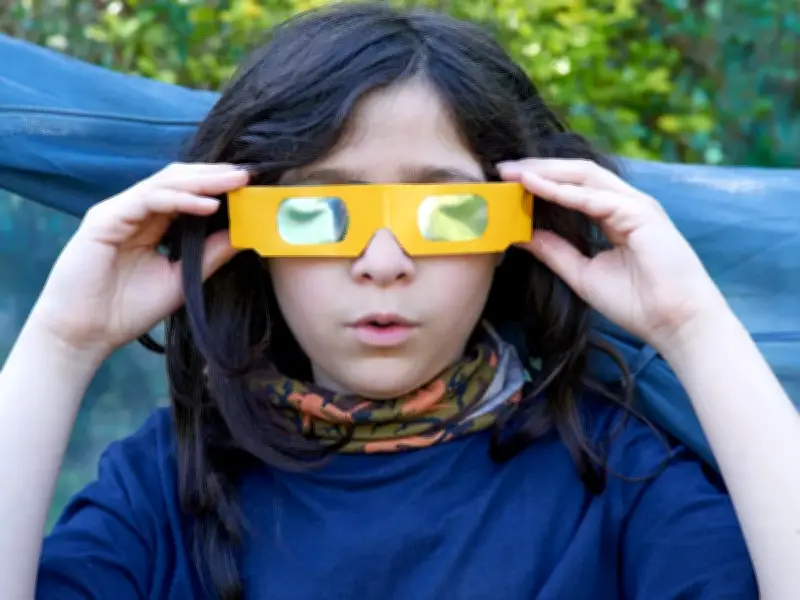
The expert recommends finding a safe, stationary spot before the eclipse begins at approximately 6pm tomorrow and never try to watch it while walking or driving and be especially mindful of children and elderly people in your group. Regarding eye protection, Dr Farshchi advises using only eclipse glasses that meet the ISO 12312-2 international safety standard for viewing the sun. Never use regular sunglasses, camera filters or improvised alternatives.
“If you are in any doubt about whether your eye protection is safe, don’t use it. The eclipse is a wonderful event, but it is simply not worth risking your sight for. Anyone experiencing visual or physical disturbances after viewing the eclipse is advised to seek urgent medical advice,” she added.