The Government's National Emergency Plan for Fuel sets out who would get first priority for petrol and diesel if rationing is introduced, as concerns grow over supply and prices.
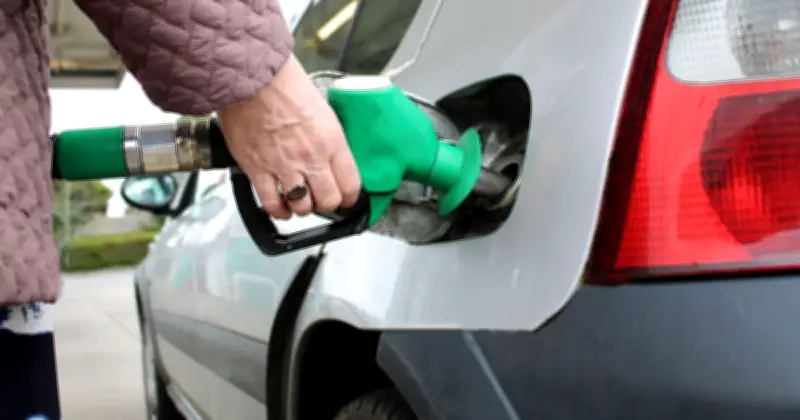
Millions of drivers may soon be unable to fill their cars with diesel, with the UK edging closer to a possible emergency contingency plan as the Middle East crisis continues to pressure fuel supply and costs. Both petrol and diesel rationing are possibilities, with the government ready to roll them out if the war continues to cause problems.
Record pump prices
Prices at the pumps have risen again, with the RAC confirming the average cost of unleaded petrol is now 173.95p and diesel is 198.89p, the highest prices since the conflict began in February. Chancellor John Healey is under pressure to axe plans for a fuel duty rise over concerns about the UK's economic climate and the cost of living.
Concerns about actual supply are also increasing, with former BP executive Nick Butler suggesting there will be "real competition" across the globe for any supplies available. According to reports, the nation has under 40 days worth of diesel left.
Who gets priority
The National Emergency Plan for Fuel, held by the Department for Energy Security & Net Zero, shows how rationing would work and who would get first dibs. Emergency services and 'critical service vehicles' would be the first priority before all other drivers.
Utilities such as gas and electricity suppliers and water firms would get next priority, followed by public transport such as buses and diesel trains. Commercial vehicles, including lorries taking food to and from supermarkets, and health-related deliveries come next.
Finally, the general public could face restrictions on the amount of petrol they can buy at a time, as well as reduced opening hours at petrol stations.
Government response
A DESNZ spokesperson said: "We have a diverse and resilient supply. We continue to engage with our international partners and the UK fuel industry."