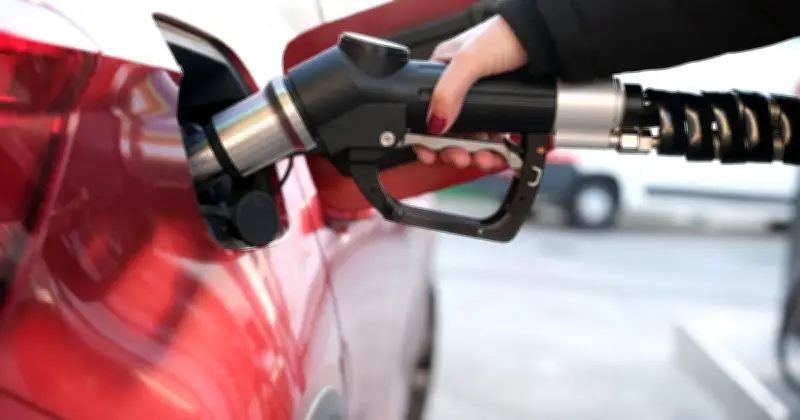
Diesel owners are paying up to 4p per mile more to use the roads now than at the start of the year, according to new figures. Fuel prices have soared in 2026 after conflict in the Middle East from the end of February disrupted global oil supply. Since then, costs have continued to be unstable, although prices have generally tended to keep trending upwards.
Price rises since January
On January 2, the average pump price of diesel stood at 144.18p per litre. Based on an average diesel capable of 43mpg, road users were paying 15p per mile to use the roads at this stage. As of July 31, diesel costs now stand at 178.97p per litre, meaning road users are now paying 19p per mile to get behind the wheel.
This is still lower than what road users were paying in April when pump prices rose as high as 191.54p per litre. At this price, motorists were actually paying 20p per mile to use the roads, a staggering 5p increase on costs at the start of the year.

RAC data and warnings
Data from the RAC shows that diesel costs have increased by around 29.8p per litre since the start of the conflict in the Middle East at the end of February. However, costs have still been below the highest ever average diesel price, which was recorded at a whopping 199.09p per litre back in June 2022.
At the end of July, the RAC warned that diesel had shot up 14.5p since earlier in the month to stand at 179p. More worrying, they revealed that the cost of filling a family sized car with diesel now stood at almost £100.
Stabilisation forecast and fuel-saving tips
However, in some good news for motorists, RAC Fuel Watch has suggested that there is “no change forecast" for unleaded petrol or diesel fees, suggesting costs have stabilised for the time being.
Road users keen to hang onto the diesel in their tank for longer should adopt a range of simple fuel-saving techniques. Driving slower and more efficiently, such as coasting, can use less fuel. While making sure tyres are properly inflated can reduce drag, also boosting the average miles per gallon.