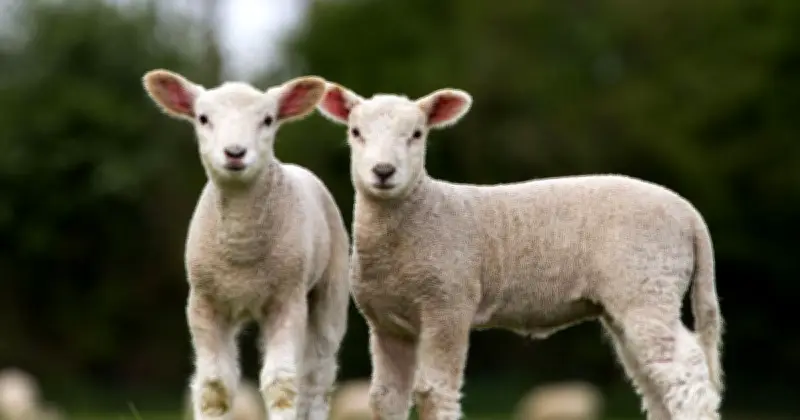
A lamb in a flock in Scotland has tested positive for bluetongue virus, marking the first confirmed case in the country. The case was detected at a farm near Creetown in Dumfries and Galloway on Saturday, and the Scottish Government has placed restrictions on the farm.
Family's shock after move from England
The Johnson family, who moved to Scotland from England just four months ago, said they were devastated by the news. They have moved all their livestock indoors to reduce the risk of the disease spreading. In a Facebook post, the family stressed that the animals had been bought locally, with none brought from England.
“I literally can not believe that we have only been here four months and this is what we are faced with,” the family said. They added that their vet told them they had “not done anything wrong” and that the case was simply “rather bad luck”.
Spread and impact of bluetongue
Bluetongue is transmitted by infected biting midges and can affect sheep, cattle and goats. The Scottish case is among 289 confirmed cases of bluetongue serotype 3, known as BTV3, recorded across the UK during the 2026/27 season. Most cases have been in south-west England, where a recent increase has been linked to conditions favourable to midges.
Scotland's chief veterinary officer Sheila Voas said an infected midge could have been blown across the border. “We know there's disease in Northern Ireland, the Republic of Ireland, Isle of Man and the north of England so my working assumption is a plume of infected midges blew over and infected this animal and possibly others,” she said.
Risk to livestock and precautions
The disease does not pose a risk to people and does not affect food safety. However, it can be particularly serious for sheep, with infected animals at risk of dying. Cattle can also suffer fertility problems. Symptoms can include discharge from the nose, redness and swelling around the lips, nose and muzzle, lameness or reluctance to stand and, in cattle, reduced milk production and diarrhoea.
Bluetongue is a notifiable disease, meaning suspected cases must be reported to the relevant animal health authorities. Farmers are being urged to remain vigilant and consider vaccination to protect livestock. The recent rise in cases in England has raised concerns about the effect of unusually hot and humid weather on the spread of the virus. The Animal and Plant Health Agency has said conditions have been favourable for midge populations, increasing the opportunity for the insects to transmit bluetongue between animals.
For the Johnson family, the discovery has brought an abrupt change after their move to Scotland. Their affected lamb has been euthanised, while restrictions remain in place as officials monitor the situation and assess the risk of further infection.