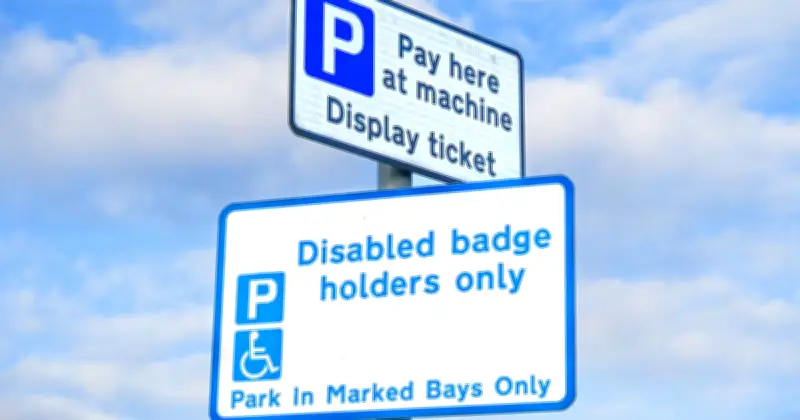
Drivers have been warned about a common Blue Badge mistake that could lead to a fine of up to £1,000. The scheme, overseen by local authorities, allows people with certain disabilities to park for free in specific areas, according to Citizens Advice.
What the Blue Badge allows
Benefits include parking for free at pay-and-display machines and disabled bays without time limits (unless displayed), and up to three hours on single or double yellow lines, provided there is no 'no loading' sign. The badge also exempts holders from the London Congestion Charge.
The badge must be displayed on the dashboard when the holder is driving or travelling as a passenger.
Common mistake and legal consequences
Lee Cartwright, owner of Mobility Solutions Direct, highlighted a frequent misconception: friends or family using the badge when the holder is not present. "In reality, the badge belongs to the individual and should only be displayed when that person is actually making the journey," he said.
"It's not uncommon for someone to borrow a parent's or grandparent's badge to pop to the shops or attend an appointment on their behalf, believing they're doing the right thing. But if the badge holder isn't travelling with them, that use isn't permitted and could lead to you being fined," he added.
The GOV.UK website states it is a "criminal offence for you or anyone else to misuse the badge," which could result in a £1,000 fine and confiscation. The badge remains the property of the issuing council, which can demand its return if misused.
Eligibility and application
You can apply for a Blue Badge if you are disabled or have a mobility-affecting health condition. Local councils decide eligibility, and application details are available on the GOV.UK website.