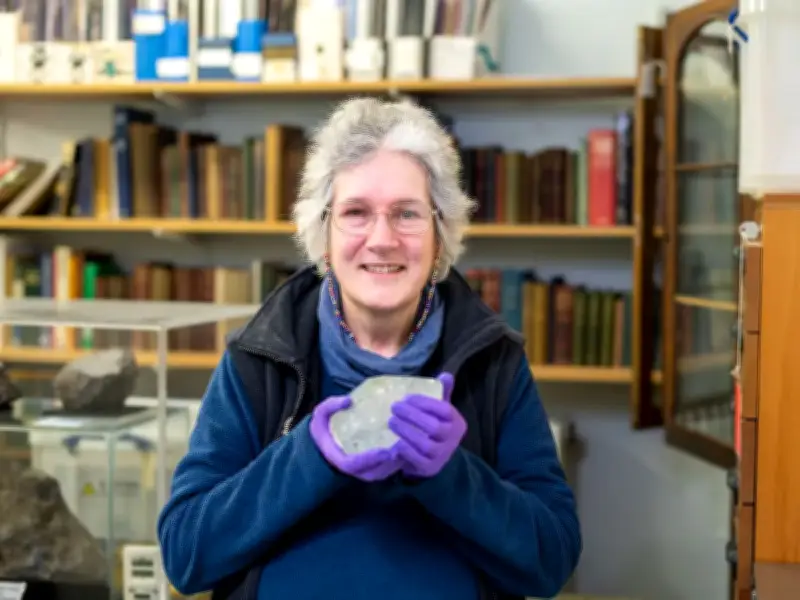
Wendy Simkiss, Curator of Geology and Science at National Museums Liverpool, has shared her advice on the best ways to watch the solar eclipse. The UK and Ireland will see a partial solar eclipse this evening (August 12), with the most coverage since 1999.
Eclipse details and viewing tips
The UK last saw a solar eclipse in March 2025, when 30-40% of the Sun was covered. Tonight, more than 90% will be obscured, darkening the sky. The event is predicted to begin around 6pm and conclude around 8pm.
Wendy said: "Anywhere you can get a clear view of the western horizon. The sun will be setting when the eclipse takes place, so you might be able to see it from a tall building, the top of a hill facing the coast or from any of Merseyside’s beaches."
Rarity and safety
Solar eclipses occur about every 18 months, but they are visible for a short time in a narrow path. "Most are partial eclipses, but even these depend on you being on the path of the moon’s shadow. Also, the weather doesn’t usually help as even if a solar eclipse is visible, it may be a cloudy day," she added.
Merseyside is a good viewing spot, as over 90% of the sun will be covered. "But please don’t look directly at the sun. Those wishing to see the total eclipse would have to travel to Greenland, Iceland, or Spain," she said.
Learn more at World Museum
World Museum has a dedicated floor on space and a planetarium. Wendy said: "They can learn about space exploration and what was invented to observe the moon, solar system, stars, and galaxies. There are displays of scientific instruments on the fifth floor including telescopes and rockets, there are video clips of the historic lunar landings, meteorites and moon rock samples and soils to show how we learned about our solar system."
She added: "We also have a more recent video from the International Space Station. A very useful introduction could be a visit to our Planetarium, which is also on the 5th floor and has several shows to suit all ages."
National Museums Liverpool holds an extensive collection of objects and artefacts. It does not hold memorabilia from the 1999 eclipse, but does hold maps, posters, pamphlets, newspaper articles and timetables advertising the previous total eclipse in 1927. More information can be found on its website.