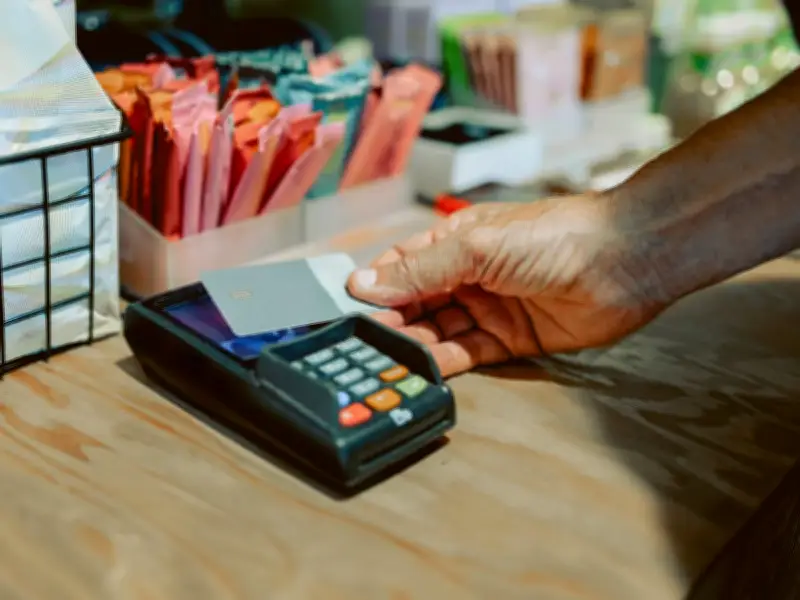
Holidaymakers can avoid unnecessary costs by always paying in the local currency when abroad, according to travel and money experts. Kate Donnelly, a travel specialist, advises that choosing to pay in pounds sterling at ATMs or shops can lead to poor exchange rates and additional charges.
Why paying in pounds costs more
When you select the option to pay in GBP, the merchant or ATM applies a conversion charge through dynamic currency conversion (DCC). Kate Donnelly explains: "When you're abroad, and you choose to pay in pounds, you are allowing the ATM or the shop to do the exchange. Within this, there will also be a conversion charge, which is notoriously a really poor rate, meaning you will end up paying significantly more if you pay in the local currency."
In contrast, paying in euros, dollars, or other local currency means your bank or card provider handles the exchange. Even with a transaction fee, this usually offers a better rate. HSBC confirms: "DCC usually costs you more. You might choose DCC and pay in pounds because it's a currency you’re more familiar with. It could give you a better understanding of how much you’re spending. But there are extra fees, and the exchange rate is usually higher."
Tips for saving money
Kate Donnelly recommends using a fee-free card such as Monzo or Starling, which add no transaction fees and provide competitive exchange rates. Money expert Martin Lewis has also advised on ITV's This Morning to always pay in the local currency to avoid inflated fees.