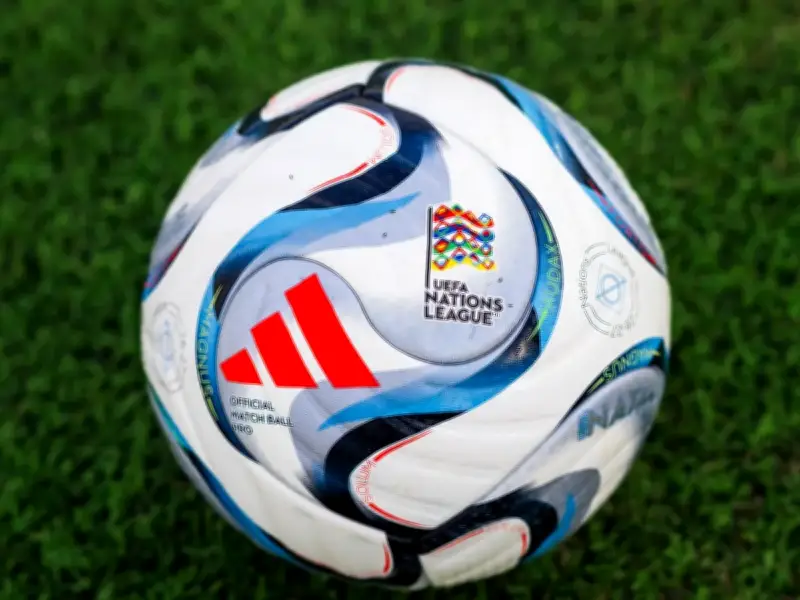
The November international break will see national teams across the globe competing in important fixtures over a standard nine-day period. European teams will focus on concluding their Nations League group stages. North American squads will participate in CONCACAF Nations League quarter-finals, while countries from South America and Asia play friendlies.
Reason for the current window
Starting this season, FIFA altered the traditional match calendar by merging the standard September and October international windows into a single 16-day block. This extended break allowed sides to play up to four competitive matches in one continuous stretch.
Regular fixture in the calendar
Despite the sweeping changes to the early autumn schedule, the November window remains a staple of the footballing year. It will retain its standard format, running from November 9 until November 17.
November break not extended
Governing bodies deliberately kept November as a shorter window to protect player welfare and maintain the competitive rhythm of domestic leagues. Expanding this period would cause significant disruptions to club football as teams seek to build momentum. At the beginning of 2027, the Asian Cup will also be held from January 5 until February 7, though European club football will continue.
March international break
Looking ahead to the spring, the next major stoppage for domestic clubs after the November international window will take place from March 22 to March 30. This two-game stretch will feature high-stakes matchups, including UEFA Nations League knockouts as well as the opening rounds of EURO 2028 qualifying.
Other international windows
Following the end of the domestic season, the final international break of the 2026/27 cycle will occur between June 7 and June 15. This early summer window gives managers a brief opportunity to fine-tune their squads. This period will come shortly before the Africa Cup of Nations, while the CONCACAF Gold Cup will also be held next summer.