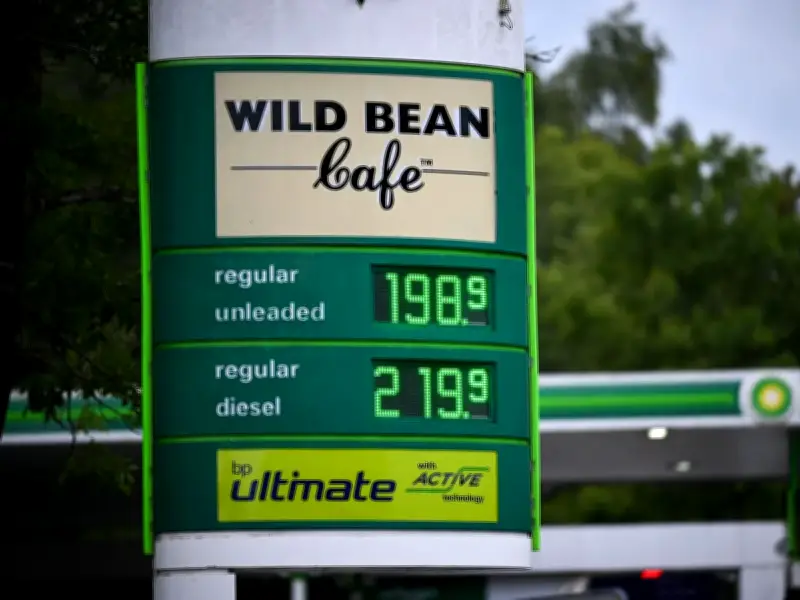
UK diesel prices have reached an all-time high, with the average price now at 199.53p per litre, according to the latest data from RAC Fuel Watch. This rises to 216.38p at motorway service areas. The previous record of 199.09p was set in June 2022.
Hundreds of forecourts across Scotland are now charging over £2 a litre for diesel, and prices are predicted to rise further. Experts have warned that fuel prices are in "new uncharted territory" and that there is "no end in sight".
Experts warn of further increases
RAC head of policy Simon Williams said: "These extraordinarily high prices are another reminder of just how exposed the UK is to events occurring far away from its shores. Only a sustained lower oil price – over several weeks, not days – will lead to cheaper prices at the pumps."
With prices not expected to drop anytime soon, experts at Nationwide Vehicle Contracts have shared six practical tips to help drivers save fuel and make their budgets go further.
Drive smoothly and avoid peak traffic
Experts warn that rapid acceleration and heavy braking can burn through fuel far quicker than drivers realise. Drivers should aim for smooth and steady driving by accelerating gradually, maintaining a consistent speed, and anticipating traffic.
Setting off earlier, especially on longer journeys, can also make a significant difference. Driving in peak traffic burns more fuel due to constant stopping, starting and idling.
Kevin Hawes, director at Nationwide Vehicle Contracts, advises: "Where possible, try to travel outside busy periods. Journeys made before 11am or after 7pm typically avoid the heaviest weekend congestion. Electric vehicle drivers should also factor in charging stops to plan their route and timings more efficiently."
Maintenance and weight reduction
While opening windows instead of using air conditioning can be more fuel-efficient at lower speeds, the opposite is true at higher speeds. Opening windows increases aerodynamic drag, forcing the engine to work harder. On dual carriageways or motorways, keeping windows closed is recommended.
Underinflated tyres create additional rolling resistance, meaning the engine needs to burn more fuel. Experts recommend checking tyre pressure at least once a month and inflating to the manufacturer's recommended levels.
A lighter car is a more fuel-efficient car. Drivers should clear out any heavy or bulky items not needed for the journey, and keeping boots clutter-free should improve performance and save money over time.
If your vehicle has start-stop technology, allow it to function during prolonged idling, such as waiting at traffic lights. For cars without this feature, putting the vehicle into neutral or turning off the engine when safe can help reduce fuel waste.