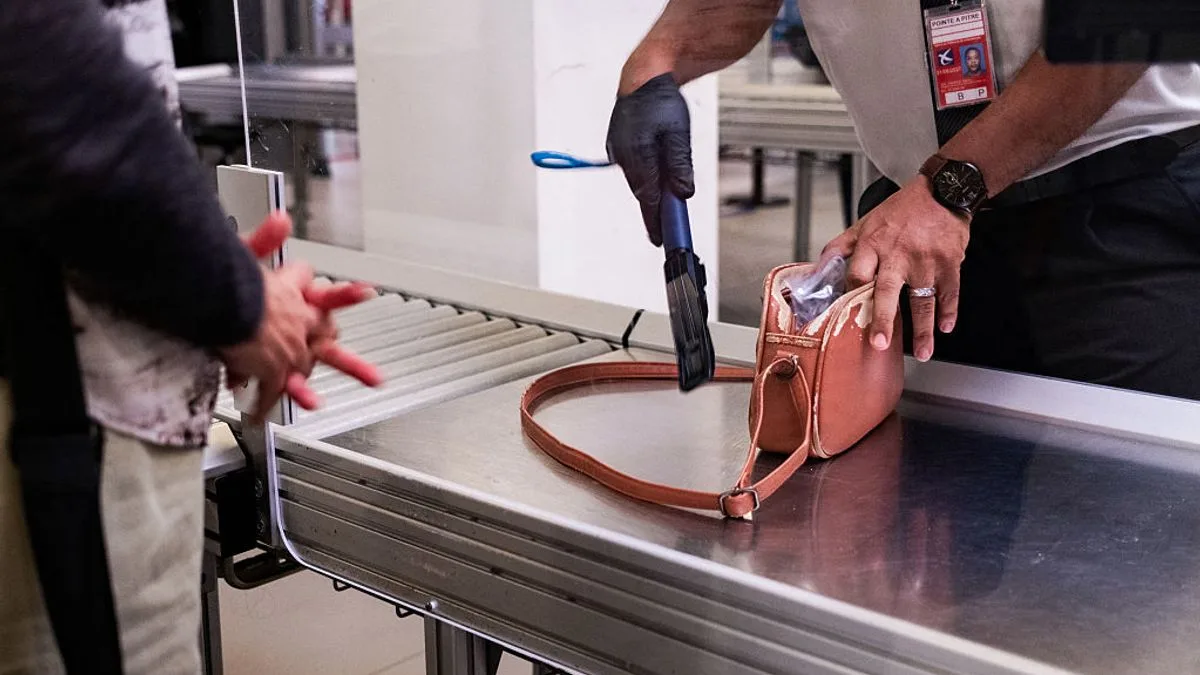
With the February half-term holiday still ongoing in many regions across the United Kingdom, numerous families are eagerly packing their bags for some much-needed winter sunshine. For those keen to bring back edible souvenirs for friends and relatives, there are specific regulations that must be followed to avoid being halted at UK airports.
Government Warning on Prohibited Items
In a recent alert issued by the Department for Environment, Food and Rural Affairs (DEFRA), the government agency strongly urged holidaymakers to be vigilant about what they attempt to bring back home. A statement posted on Facebook reads: "Travelling back from a half term trip abroad? To protect UK farmers and animals from diseases like Foot and Mouth, meat and dairy products can't be brought into Great Britain. Check the rules before travelling."
Comprehensive Guidelines on Food Imports
The Gov.uk website provides extensive guidelines regarding bringing food into Great Britain, covering rules on meat, dairy, fish, fruit, vegetables, nuts, seeds, and pet food. Certain items can be imported without restrictions from any country, including:
- Bread, but not sandwiches filled with meat or dairy products
- Cakes without fresh cream
- Biscuits
- Chocolate and confectionery, excluding those made with significant unprocessed dairy ingredients
- Pasta and noodles, unless mixed or filled with meat products
- Packaged soup, stocks, and flavourings
- Processed and packaged plant products, such as packaged salads
- Food supplements containing minimal animal products, like fish oil capsules
Restrictions on Animal Products
There are significant limitations on bringing meat, dairy, fish, and other animal products into Great Britain from abroad. The regulations vary depending on the country of origin. From the European Union, Switzerland, Norway, Iceland, Liechtenstein, the Faroe Islands, and Greenland, travellers can bring in for personal use:
- Fish
- Poultry, including chicken, duck, goose, and products made from these meats
- Other animal products, such as eggs and honey
However, due to recent and ongoing outbreaks of animal diseases in the EU, most meats and all dairy products are prohibited. Exceptions include a maximum of 2kg per person of powdered baby milk, baby food, or special food required for medical reasons, provided these items do not require refrigeration and are in branded, unopened packages.
Specifically banned items include:
- Cheese, milk, and dairy products like butter and yoghurt
- Pork, beef, lamb, mutton, goat, venison
- Products made from these meats, such as sausages
Rules from Non-EU Countries
For countries outside the specified European regions, the following prohibitions apply:
- Meat or meat products
- Milk or milk-based products, except powdered infant milk or special medical foods
Allowed items with limits include up to 2kg per person of honey, powdered infant milk, infant food, or special medical foods, along with live mussels or oysters, preserved snails, frogs' legs, and insect protein. Additionally, up to 20kg per person of fish is permitted, including fresh fish, fish products, and processed fish like lobster and prawns. Caviar requires a CITES permit.
Fruit, Vegetables, Nuts, and Seeds
The regulations for bringing fruit, vegetables, nuts, and seeds also depend on the country of origin. From the EU, Switzerland, or Liechtenstein, these items are allowed for personal use. From other countries outside the EU, most fruit or vegetables cannot be imported without a phytosanitary certificate, though exceptions include pineapple, kiwi, coconut, citrus fruits, and processed plant products.
Pet Food Regulations
Pet food rules vary by origin. From European regions, pet food containing meat or animal products from pig, cow, sheep, goat, or deer is prohibited. Pet food with other ingredients, like chicken, is allowed if commercially packaged, up to 2kg per person. From non-EU countries, pet food is generally banned unless required for health reasons, with similar limits and packaging requirements.
CITES Permit Requirements
Travellers may need to apply for a permit under the Convention on International Trade in Endangered Species of Wild Fauna and Flora (CITES) for certain food or animal products, such as caviar or eel fillets. Applications can be made online, and items must be declared at designated ports or airports. Border Force can seize items without proper permits.
In summary, holidaygoers must carefully review DEFRA's guidelines to ensure compliance and avoid disruptions at UK airports, protecting both public health and agricultural interests.